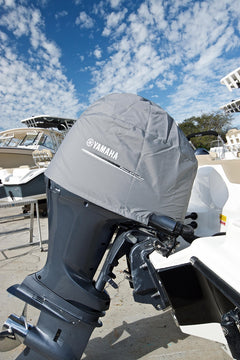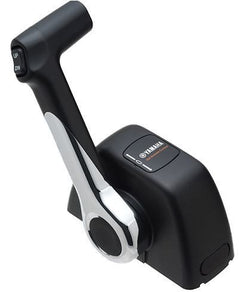


Yamaha 150–200HP in-line 4 outboards (what this collection covers)
Serious Horsepower Without the Bulk
Yamaha 150 outboard and 200HP in-line 4 models deliver offshore-capable performance in a streamlined package that fits a wide range of bay boats, center consoles, pontoons, and family cruisers. Use this collection to compare the specs that affect real-world fit: shaft length, weight, WOT range, rigging compatibility, and prop setup.
What is a Yamaha 150–200HP in-line 4 outboard?
A Yamaha 150–200HP in-line 4 outboard is a four-stroke marine engine that delivers strong offshore-capable power in a streamlined layout. Many boaters choose this class when they want confident performance without stepping up to larger V6 packages.
Spec checklist
- Horsepower: 150 vs 200 based on hull and typical load
- Shaft length: match transom height for proper water pickup
- Weight: compare model/configuration weight for balance on your hull
- Gear ratio: influences prop selection and load-carrying feel
- Alternator output: important for batteries + electronics
- WOT RPM range: confirms the right prop and setup under your typical load
F150 vs F200 (which model fits your boat best)
Quick pick
- Boat size/weight class: lighter bay boats and pontoons vs heavier near-offshore hulls
- Typical load: passengers, fuel, gear, livewells, coolers
- Offshore frequency: occasional nearshore runs vs frequent longer legs
- Cruising style: relaxed cruising vs higher-speed, longer-distance running
- Single vs twin setups: confirm rigging, controls, and charging needs
- Feel you want: top-end priority vs midrange pull and load authority
Choose by boat type: F150 is a strong match for light-to-medium bay boats, versatile center consoles, and many pontoons; step up to F200 for heavier hulls, near-offshore use, and boaters shopping a Yamaha 200 horsepower outboard for stronger cruising authority.
Simple comparison:
F150: best for bay boats, pontoons, mixed-use center consoles • watch for matching shaft length + rigging/controls to your helm setup
F200: best for larger bay and near-offshore rigs with higher load • watch for prop selection that hits WOT RPM under typical load
Yamaha F150 in-line 4 (everyday offshore-capable workhorse)
The F150 has earned its reputation by combining durability, smooth manners, and everyday efficiency. The Yamaha 150 outboard motor keeps overall packaging streamlined while delivering the torque needed for a broad mix of hulls – from inshore rigs to offshore-leaning center consoles.
Popular searches: 150 Yamaha 4 stroke.
What boaters like about the F150
- Balanced package: strong fit across many bay, pontoon, and center-console hulls
- Smooth EFI operation: dependable starting and steady throttle response
- Long service life: proven platform used hard by weekend boaters and guides
- Parts support: easy to source OEM filters, service kits, and rigging components
Yamaha F200 in-line 4 (top of the in-line 4 range)
The F200 delivers the most power in this in-line 4 family, offering strong cruising authority in a streamlined package. A Yamaha 200 outboard is a smart choice when your hull is heavier, you run with more load, or your trips regularly include longer runs and near-offshore conditions.
When the F200 makes sense
- Heavier hulls: larger bay boats, near-offshore center consoles, and load-carrying family boats
- Longer runs: more cruising authority for distance and changing conditions
- Higher typical load: crew + fuel + gear without feeling “maxed out”
- Near-offshore use: when you want stronger midrange pull for real-world running
Why choose Yamaha 150 4 stroke in an in-line 4 layout
In-line 4 benefits
Yamaha 150 4 stroke in an in-line 4 layout is about streamlined packaging and smooth four-stroke performance that’s easier to match to common bay and coastal hulls. Many owners like the balance of efficiency-minded cruising and a dependable setup that’s straightforward to rig when you confirm shaft length and controls.
- Weight packaging: streamlined layout that fits a wide range of transoms
- Smoothness: refined running feel for long days on the water
- Service access: straightforward maintenance when you follow the schedule
- Versatility: broad hull compatibility from bay rigs to family cruisers
In other words, a Yamaha 150 4 stroke outboard in this class is chosen as much for fit and balance as for horsepower.
Browse Yamaha propellers for 150–200HP outboards to balance acceleration, fuel economy, and top-end performance for your setup.
Specs that matter most
What to compare on each product card
- Shaft length: match your transom height
- Weight: compare by configuration
- Gear ratio: influences prop choice and load feel
- Alternator output: supports electronics and battery charging
- Recommended WOT RPM range: confirms proper prop/setup under typical load
- Steering/controls: mechanical vs digital options, helm compatibility
- Rigging compatibility: harnesses, gauges, and control boxes that match your setup
Select models may support tiller configurations depending on setup; confirm the steering option on the listing before ordering.
Prop selection basics for a 150–200HP in-line 4
Quick guidance
Start with a prop that lets the engine reach its recommended WOT RPM under your typical load. Fine-tuning is easiest after you confirm your hull, load, and normal water conditions.
- Hit WOT range: under typical load (not empty, not “perfect day”)
- Pitch: adjust for holeshot vs cruising RPM
- Diameter: adjust for bite/grip if ventilation is an issue
- Revisit later: after adding accessories or changing load patterns
Maintenance snapshot for Yamaha 150–200HP four-strokes
100-hour / annual cadence
- Change engine oil and gear lube per the owner’s manual schedule
- Inspect/replace filters and spark plugs as needed
- Follow the manual for water pump and cooling-system service intervals
Saltwater routine (flush, anodes, corrosion protection)
- Freshwater flush after each saltwater trip
- Keep anodes in good condition and replace when worn
- Use corrosion protection products as recommended for your environment
Troubleshooting-lite tip: If starting or idle feels inconsistent, begin with fuel freshness, venting, and filter condition – then use schematics for model-specific parts and routing.
Helpful resources (deep dives + parts support)
Use these links for the most common next steps: prop selection guidance, rigging/controls compatibility, service intervals, corrosion prevention, and parts lookup.
- Yamaha Outboard Service Schedule
- Yamaha 20-hour & 100-hour service kits
- How to choose the right Yamaha outboard motor propeller
- Yamaha outboard propellers
- Yamaha outboard rigging (steering, gauges, harnesses)
- Yamaha outboard controls (throttle/shift)
- Corrosion prevention
- Yamaha outboard engine schematics
- OEM Yamaha outboard parts
Yamaha 150–200HP in-line 4 outboards faq
Is a Yamaha 150 outboard a good fit for bay boats and pontoons?
Often, yes. This class is commonly chosen when you want a balanced setup for bay boats, versatile center consoles, and many pontoons – especially when you match shaft length to transom height and confirm steering/controls compatibility.
When should I choose a Yamaha 200 outboard instead of the F150?
Step up when your hull is heavier, you carry more load regularly, or you want stronger cruising authority for longer runs and near-offshore use. Prop choice and WOT range are key to making the upgrade feel right on your boat.
What affects the final configuration of a Yamaha 150 4 stroke boat motor?
Shaft length, steering/controls type (and helm compatibility), rigging components (harnesses/gauges), and prop selection all influence fit and real-world performance. Start with transom height and your typical load, then confirm the rigging parts that match your setup.
Does the F200 compare to a V6 in real-world use?
Many boaters find it delivers strong midrange pull and confident cruising in a lighter, more compact package – especially when propped correctly and matched to the right hull and load.
Which boats pair best with each model?
As a general fit guide: F150 is commonly chosen for bay boats, pontoons, and mixed-use center consoles; F200 is commonly chosen for larger bay boats and near-offshore rigs that carry more load or run longer distances.
Where can I find weight and WOT RPM ranges?
Use each model’s product card for the most reliable specs, including weight, gear ratio, alternator output, and recommended WOT RPM range. Compare those with your boat’s typical load to confirm the best match.
How do I choose a prop for a Yamaha 150 outboard motor?
Pick a prop that lets the engine reach its recommended WOT RPM under typical load. If holeshot feels soft, adjust toward more bite; if you’re over-revving, increase pitch. Use the prop guide for a practical walkthrough, then refine after you test with your normal crew and gear.
Where do I confirm rigging, steering, and shaft length compatibility?
Confirm on the product listing and match your helm setup to the correct controls, rigging, and steering components. If you’re unsure, start with the rigging and controls collections, then use schematics to verify exact parts.