


Yamaha
Yamaha 6Y5-85752-02-00 - Conventional Fuel Flow Sender
$340.26 USD$358.00 USDUnit price /Unavailable
Yamaha
Yamaha 6Y1-24305-06-00 - Fuel pipe joint comp. 2
$23.82 USD$26.99 USDUnit price /Unavailable
Yamaha
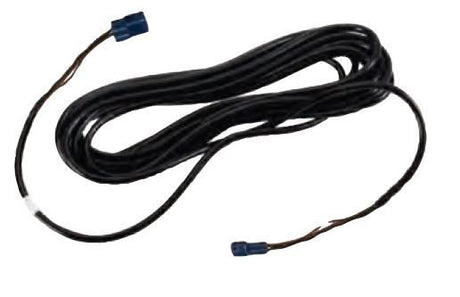
Yamaha 6R3-85721-80-00 - Conventional Oil Tank Harness - 26.3 ft
$180.81 USD$192.99 USDUnit price /Unavailable-
-
-
-
-
Yamaha
Yamaha 6H4-21770-00-00 - Oil Tank Cap Assembly
$28.88 USD$31.99 USDUnit price /Unavailable -
-
-
-
-
-
-
-
-
-
-
-

Yamaha
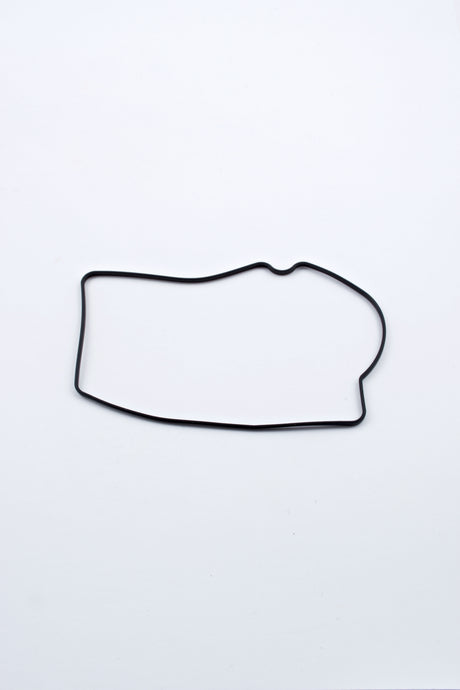
Yamaha 6AW-14984-00-00 - VST Float Chamber Gasket
$27.43 USD$29.99 USDUnit price /Unavailable-
-
-
-
Yamaha
Yamaha 69M-14984-00-00 - Gasket, float chamber
$11.54 USD$12.99 USDUnit price /Unavailable -
-
-

Yamaha
Yamaha 65L-14984-00-00 - VST Float Chamber Gasket - Fits - S225 S250 V200 V225
$41.88 USD$45.99 USDUnit price /Unavailable-

Yamaha
Yamaha 65L-13200-02-00 - Oil injection pump assy
$337.65 USD$353.99 USDUnit price /Unavailable-
-
-
Yamaha
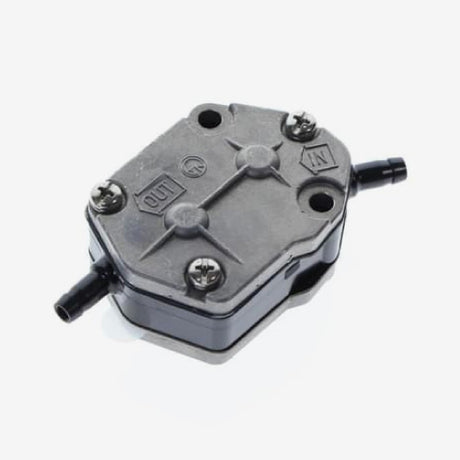
Yamaha 6GR-24420-10-00 - High Pressure Fuel Pump Assembly
$385.70 USD$404.99 USDUnit price /Unavailable -









Yamaha Fuel & Oil System Components
Shop genuine Yamaha fuel and oil system components designed to keep your outboard running cleanly, efficiently, and reliably. At YamahaOnlineParts.com, you’ll find Yamaha OEM fuel hoses, Yamaha outboard fuel line assemblies, primer bulbs, fuel pumps, injectors, filters, chamber gaskets, seals, oil system parts, and related components built to support steady fuel delivery, proper lubrication, and long-term engine protection.
If you are troubleshooting fuel flow problems, replacing a worn fuel hose, refreshing an aging primer bulb, servicing your fuel filters, or maintaining your outboard as part of routine service, this collection gives you a central place to find Yamaha parts built for the job. For additional service parts and accessories, browse our Yamaha OEM parts and accessories or shop Yamaha marine fuel pumps.
Yamaha outboard fuel line replacement
Yamaha outboard fuel line replacement usually involves removing the old fuel hose, inspecting the primer bulb and fittings, installing marine-grade replacement fuel line, securing the connections with proper clamps, and priming the system until the bulb becomes firm. Replace fuel lines that are cracked, stiff, leaking, swollen, or damaged by ethanol fuel.
Use fuel hose, primer bulbs, connectors, and clamps that match your Yamaha outboard, fuel system, and marine fuel requirements. After replacement, check carefully for leaks before running the engine.
What Fuel Line Fits a Yamaha Outboard?
The correct fuel line for a Yamaha outboard depends on your engine horsepower, fuel tank setup, connector style, rigging layout, and whether the hose is outside the engine or inside the engine cowling. Many Yamaha boat fuel line assemblies use a quick-connect fitting at the engine and a primer bulb between the tank and outboard, but hose size and connector family can vary by model.
Use the guide below as a starting point, then confirm the correct Yamaha fuel line, hose ID, and connector style against your model, year, and product fitment before ordering.
| Application | Common ID / Inside Diameter | Connector Type | Notes |
|---|---|---|---|
| Tank to engine main fuel feed | 5/16 in. / 8 mm | Yamaha-style quick connector on many portable tank setups | Common on many smaller and midrange outboards under 150 HP; verify your model. |
| Tank to engine for higher-flow applications | 3/8 in. / 10 mm | Yamaha-style quick connector or model-specific fitting | Often used where more fuel flow is required; confirm by horsepower and rigging setup. |
| In-engine fuel rail or under-cowl fuel lines | Varies by model | OEM barbed fittings, clamps, or formed hose connections | Use OEM Yamaha parts whenever possible for in-engine fuel lines. |
| Primer bulb section | Matches main hose ID | Clamp-on, push-in, or assembly-specific fitting | Replace the primer bulb and hose together if both are aged, stiff, or cracked. |
Fitment note: Yamaha uses more than one quick-connect fuel fitting style across different engines and rigging setups. The connector must click securely, seal properly, and not leak under pressure. If the connector feels loose, does not lock, or seeps fuel, do not run the engine until the issue is corrected.
Fuel Hose, Primer Bulb, and Connector Selection Guide
When choosing a fuel line for an outboard motor, do not shop by hose length alone. A correct Yamaha outboard fuel line should match the engine’s fuel demand, connector style, primer bulb orientation, hose diameter, and fuel compatibility requirements.
- Confirm hose ID: Most common outboard fuel line sizes are 5/16 in. and 3/8 in., but your engine and fuel system layout should determine the correct choice.
- Check connector style: Yamaha-style quick connectors must match the engine-side fitting and tank-side fitting.
- Match the primer bulb direction: Primer bulbs have a flow arrow that must point toward the engine.
- Inspect tank fittings: Portable tank fittings, deck fills, vents, and pickup tubes can affect fuel flow.
- Use ethanol-compatible marine hose: E10 fuel can accelerate rubber breakdown in older or low-quality hose.
- Choose OEM for under-cowl lines: In-engine fuel hoses often have specific bends, fittings, lengths, and hardness requirements.
Why Fuel Hoses and Fuel System Parts Matter
The fuel hose on your outboard motor does more than carry fuel from the tank to the engine. It plays a critical role in maintaining safe, consistent fuel delivery under real marine conditions. When a hose, connector, primer bulb, filter, or pump begins to fail, the result can show up as hard starts, rough idling, inconsistent RPM, fuel starvation, power loss, fuel odor, or visible leaks.
Replacing worn fuel hoses, filters, pumps, and related fuel system components before they fail helps protect the rest of the engine. A healthy fuel and oil system supports better starting, steadier performance, cleaner operation, and fewer avoidable problems on the water.
- Hard starts or stalling: Worn hoses, weak primer bulbs, clogged filters, or fuel pump issues can restrict flow.
- Inconsistent RPM or power loss: Fuel starvation can cause hesitation, sputtering, or poor performance under load.
- Fuel leaks or fumes: Cracked hoses, loose connectors, or worn seals should be addressed quickly.
- Premature wear: Poor fuel delivery or lubrication issues can create unnecessary stress on your Yamaha outboard.
When to Replace Your Yamaha Outboard Fuel Line
Fuel hose can wear out before it looks completely failed from the outside. Ethanol fuel, sunlight, heat, vibration, storage conditions, and age all contribute to hose breakdown. If the hose is old, stiff, swollen, cracked, soft, or smells strongly of fuel, replacement is the safest choice.
- Age: Inspect fuel hose annually and consider replacement every 5–7 years, even if it still looks usable.
- Ethanol degradation: E10 and E15 fuel can accelerate rubber breakdown, especially in older hoses.
- Cracks, splits, or swelling: Replace immediately if the hose is visibly damaged.
- Fuel smell without visible leak: This can indicate micro-cracking, seepage, or connector failure.
- Soft or collapsing hose: A weak hose can restrict fuel delivery under load.
- Loose connector or weak primer bulb: Replace worn components before they cause hard starting or fuel starvation.
How to Replace a Yamaha Outboard Fuel Line
- Work in a well-ventilated area away from sparks, flames, cigarettes, and hot engine surfaces.
- Disconnect the battery if you are working near the engine or under the cowling.
- Close the fuel tank vent or remove the portable tank from the boat if needed.
- Note the current routing of the fuel hose, primer bulb direction, and connector locations.
- Disconnect the old hose from the tank and engine fittings.
- Inspect the tank pickup, fuel connector, primer bulb, clamps, and any visible filters for wear or contamination.
- Install the new Yamaha fuel line or fuel hose assembly with the primer bulb arrow pointing toward the engine.
- Secure all clamps and fittings without pinching or kinking the hose.
- Prime the bulb until firm, then inspect every connection for leaks.
- Start the engine and confirm smooth idle, proper fuel flow, and no fuel odor or seepage.
Safety note: Do not run the engine if you see fuel leaking, smell strong fuel vapors, or notice a connector that does not lock securely.
How to Connect a Primer Bulb to a Yamaha Fuel Line
The primer bulb should be installed in the main fuel line between the tank and the engine. Most primer bulbs include an arrow showing fuel flow direction. That arrow must point toward the engine, not toward the fuel tank.
- Tank side: Connects to the fuel tank pickup or tank-side hose fitting.
- Engine side: Connects toward the Yamaha outboard fuel connector or engine-side fuel inlet.
- Bulb position: Keep the bulb accessible and avoid tight bends that can restrict fuel flow.
- Clamp security: Use proper marine fuel hose clamps and check for leaks after priming.
If the primer bulb never firms up, collapses while running, leaks fuel, or feels soft and cracked, inspect the full fuel line assembly, tank vent, connectors, filters, and fuel pump before using the boat again.
Yamaha OEM Fuel Line vs. Aftermarket Fuel Hose
Aftermarket fuel hose may look similar at first glance, but fuel system parts are not the best place to guess. Yamaha OEM fuel hose assemblies are designed around Yamaha fitment, correct inside diameter, connector compatibility, and marine fuel-system requirements. This matters because a hose that is slightly wrong can still connect, but may restrict flow, leak, kink, soften, or fail under vibration and heat.
| Feature | Yamaha OEM Fuel Line | Aftermarket Fuel Hose |
|---|---|---|
| Yamaha connector compatibility | Designed for Yamaha fitment | Varies by brand and adapter |
| Correct hose ID | Matched to listed applications | Must be verified manually |
| Primer bulb fit and direction | Designed as part of the fuel assembly where applicable | May require separate matching |
| Ethanol resistance | Built for modern marine fuel use when specified by application | Varies; check hose rating carefully |
| Under-cowl fuel lines | Recommended choice | Not recommended unless exact equivalent and marine-rated |
| Installation confidence | Lower guesswork | Higher risk of mismatch |
For in-engine fuel rail lines, OEM Yamaha parts are strongly recommended. Incorrect hose ID, hardness, bend angle, or fitting type can create fuel leaks, poor fuel delivery, or fire risk. For tank-to-engine hose assemblies, always choose a fuel line rated for marine gasoline use and confirm the correct connector style before installation.
What You’ll Find in This Collection
This collection includes a wide range of Yamaha OEM fuel and oil system components for outboard maintenance, troubleshooting, and repair. Product availability and fitment vary by model, so always confirm your engine details before ordering.
- Fuel hose assemblies: Yamaha OEM hoses designed for secure fuel delivery and dependable fitment.
- Primer bulbs and connectors: Components that help maintain proper fuel priming and connection integrity.
- Fuel pumps and pump assemblies: Parts that support correct fuel pressure and reliable fuel flow.
- Fuel injectors and fuel filters: Components that help keep fuel clean, properly metered, and ready for combustion.
- Oil system gaskets and seals: Parts that help prevent leaks and maintain proper lubrication.
- Ring Free and Yamalube fuel additives: Yamaha fuel treatment products that help support fuel system cleanliness and storage protection.
- Chamber gaskets and related components: Replacement parts used in fuel and oil system repair or service work.
Why Choose Genuine Yamaha OEM Components?
Fuel and oil system parts need to fit correctly, seal properly, and hold up in demanding marine environments. Genuine Yamaha OEM components are designed specifically for Yamaha outboards, which helps reduce compatibility guesswork and supports more consistent long-term performance.
That matters with fuel hoses, primer bulbs, pumps, filters, injectors, gaskets, and seals. Correct OEM fitment helps ensure proper flow, secure connections, and reliable system operation. It also helps reduce the risk of leaks, poor fuel delivery, rough running, and premature wear caused by mismatched or lower-quality alternatives.
Fuel Hose, Primer Bulb, and Connector Benefits
Fuel hose assemblies and primer bulb components are often overlooked until something goes wrong. A cracked hose, weak primer bulb, worn connector, or poor seal can create major performance issues even when the rest of the engine is in good shape.
If your outboard is showing signs of hesitation, stalling, inconsistent priming, fuel odor, or power loss under load, the fuel hose assembly and related components are good places to inspect first. Replacing worn parts with Yamaha OEM components helps restore proper flow, improve reliability, and reduce the chance of unexpected fuel-related problems on the water.
Fuel Filters, Water Separation, and Routine Service
Keeping the fuel system clean is a key part of Yamaha outboard maintenance. Depending on your boat and setup, you may have a fuel-water separator filter installed between the tank and engine. This filter helps capture water and debris before they reach sensitive fuel system components.
During routine service, inspect the fuel line, primer bulb, connectors, filters, and visible fittings for cracks, stiffness, leaks, swelling, or loose connections. If you remove a fuel-water separator or onboard filter, inspect the drained fuel in a clear container so you can check for water, debris, or contamination. If you find a large amount of water or recurring contamination, the fuel tank, fill cap, venting, and fuel source may need further inspection.
For a detailed walkthrough, read our Guide to Yamaha Outboard Fuel Filters.
Fuel Additives and Storage Protection
Clean fuel helps your Yamaha outboard start easier, idle more consistently, and perform better under load. If you do not use Yamalube Ring Free regularly, routine service is a good time to review whether a fuel system treatment is appropriate for your usage and storage habits. Always follow the product label and Yamaha’s guidance for your specific application.
If your boat will be stored for an extended period, fuel system preparation becomes even more important. Yamaha fuel stabilizer products and Yamaha's STOR-RITE Fogging Oil can help support seasonal storage protection when used according to product instructions.
For more information, see Yamaha Ring Free Plus – Is It Essential? and Will DIY Maintenance and Repairs Void Your Yamaha Outboard Warranty?.
Oil System Parts and 4-Stroke Yamaha Maintenance
Fuel delivery is only one part of keeping a Yamaha outboard healthy. The oil system also needs the right parts, proper seals, and routine checks to support engine protection. If you are servicing a 4-stroke Yamaha outboard, inspect oil level, oil condition, gaskets, seals, and related components as part of your regular maintenance routine.
For oil-related service parts, browse 4-stroke Yamaha outboard engine oil. You can also explore compatible Yamaha engines and model-specific service parts when confirming fitment.
Fitment and Reliability: What to Check Before Ordering
When shopping fuel and oil system parts, fitment matters just as much as part quality. The right component must match your engine model, rigging setup, and intended use. Yamaha OEM parts are built with that compatibility in mind, which makes installation more straightforward and helps support correct operation once the part is installed.
Before ordering, confirm your Yamaha outboard model, year, horsepower, engine family, hose ID, connector style, and any relevant part numbers from the component you are replacing. If you are unsure which hose, filter, pump, injector, gasket, or seal fits your outboard, confirm your engine details first so you select the correct component the first time.
Expert Maintenance Resources
Use these resources for fuel system maintenance, fuel filter replacement, carbon deposit control, and warranty-related service questions:
- Guide to Yamaha Outboard Fuel Filters
- Yamaha Ring Free Plus – Is It Essential?
- Will DIY Maintenance and Repairs Void Your Yamaha Outboard Warranty?
Yamaha Outboard Fuel & Oil System Components FAQs
What fuel line fits a Yamaha outboard?
The correct Yamaha outboard fuel line depends on your engine model, horsepower, tank setup, hose ID, and connector style. Many tank-to-engine fuel line assemblies use 5/16 in. or 3/8 in. hose with Yamaha-style quick connectors, but fitment should always be confirmed by model and year.
What size fuel line does a Yamaha outboard use?
Many Yamaha outboards use either 5/16 in. or 3/8 in. fuel hose for the main tank-to-engine feed. Smaller and midrange outboards often use 5/16 in. hose, while higher-flow applications may use 3/8 in. hose. Always verify the required size for your exact setup before ordering.
What is the standard fuel line connector for Yamaha outboards?
Many Yamaha portable fuel setups use a Yamaha-style quick-connect fuel fitting, but connector style can vary by engine family, tank setup, and rigging. The fitting should click securely into place and should not leak when the primer bulb is squeezed.
How often should I replace the fuel hose on my Yamaha outboard motor?
Fuel hoses should be inspected regularly and replaced when they show signs of stiffness, cracking, swelling, leaks, fuel odor, or connector wear. As a general maintenance habit, inspect the hose annually and consider replacement every 5–7 years, especially in ethanol-fuel environments.
Can I use aftermarket fuel hoses instead of Yamaha OEM parts?
Aftermarket options exist, but Yamaha OEM fuel hose components are designed for Yamaha-specific fitment, secure connections, and dependable marine use. OEM parts are usually the better choice when you want reliable compatibility, correct connector fit, and fewer installation issues. For under-cowl fuel lines, OEM parts are strongly recommended.
What are symptoms of a failing fuel line on an outboard motor?
Common symptoms include hard starting, a primer bulb that will not stay firm, fuel smell, visible cracking, hose swelling, leaks, hesitation, stalling, power loss under load, or a hose that collapses while the engine is running.
How do I connect a primer bulb to a Yamaha fuel line?
Install the primer bulb between the fuel tank and the engine with the arrow pointing toward the engine. Use the correct hose ID, secure marine fuel hose clamps, avoid sharp bends, and prime the bulb until firm before checking for leaks.
What are signs of a failing Yamaha outboard fuel pump?
Common warning signs include hard starting, sputtering, inconsistent RPM, hesitation under load, or power loss at higher throttle. Before replacing the pump, inspect the fuel hose, primer bulb, connectors, and filters for flow-related issues. You can also shop replacement Yamaha fuel pump parts by model fitment.
Why are primer bulbs and connectors important?
Primer bulbs and connectors help maintain proper fuel delivery from the tank to the engine. If these parts are worn, leaking, soft, cracked, or not sealing correctly, they can create starting issues, weak fuel flow, fuel odor, and inconsistent engine performance.
How do I service my Yamaha outboard fuel system?
Start by inspecting the fuel hose, primer bulb, connectors, fuel-water separator, onboard filters, and visible fittings. Replace worn or contaminated filters, check for water or debris in drained fuel, prime the system carefully, and inspect for leaks before running the engine. For detailed fuel filter guidance, use our Guide to Yamaha Outboard Fuel Filters.
How do I perform a Yamaha fuel pump test?
Before testing or replacing a fuel pump, inspect the rest of the fuel system for damage, restrictions, leaks, or clogged filters. Check that the primer bulb firms up, fuel reaches the filter, and the system is free from obvious blockages. Fuel pump testing can vary by model, so use model-specific service information or consult a qualified marine technician before making a repair decision.
Why buy Yamaha fuel and oil system components from YamahaOnlineParts.com?
YamahaOnlineParts.com offers genuine Yamaha fuel and oil system components designed for correct fit, dependable performance, and long-term reliability. That gives you a better foundation for maintenance and repair than trying to piece together mixed, uncertain alternatives.
Shop Yamaha Fuel & Oil System Components
From fuel injectors, fuel pump assemblies, fuel lines, chamber gaskets, primer bulbs, filters, seals, and oil system components, YamahaOnlineParts.com stocks a complete selection of Yamaha fuel and oil system parts for Yamaha outboard engines. Browse this collection to find the OEM components you need to keep your outboard’s fuel and oil systems operating reliably.