
All Categories
-
- F Series Propellers
- G Series Propellers
- K Series Propellers
- M & T Series Propellers
- X Series Propellers
- Y Series
- Turbo Series Propellers
- Dual Thrust Propellers
- Aluminum Propellers
- Painted Stainless Steel
- Performance 3 Propellers
- Talon Propellers
- Saltwater Propellers Series II
- Offshore I Propellers
- XTO Saltwater Series Propellers
- 2-Stroke Propellers
- 3 | F2.5HP
- 4 | 5 | F4 | F4A | F6A
- 6 | 8 | F6 | F8 | F9.9
- T8 | T9.9
- 9.9 | 15 | F15C | F20
- TRP Twin Rotating


Yamaha
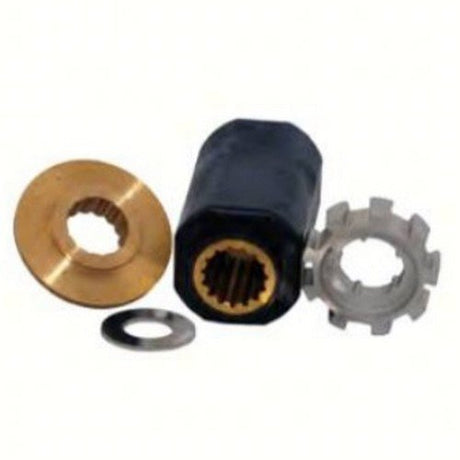
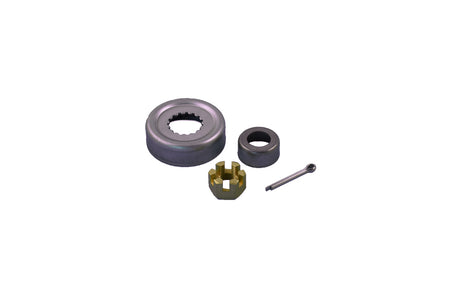
Yamaha 6G5-W4599-00-00 - Prop nut & spacer kit
$57.77 USD$62.99 USDUnit price /Unavailable
Yamaha
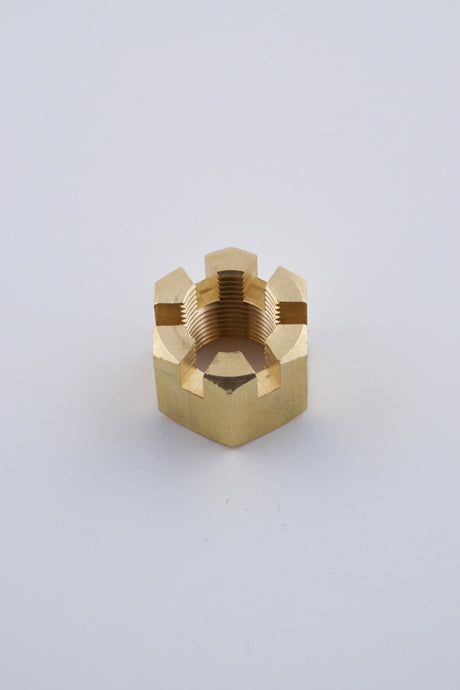
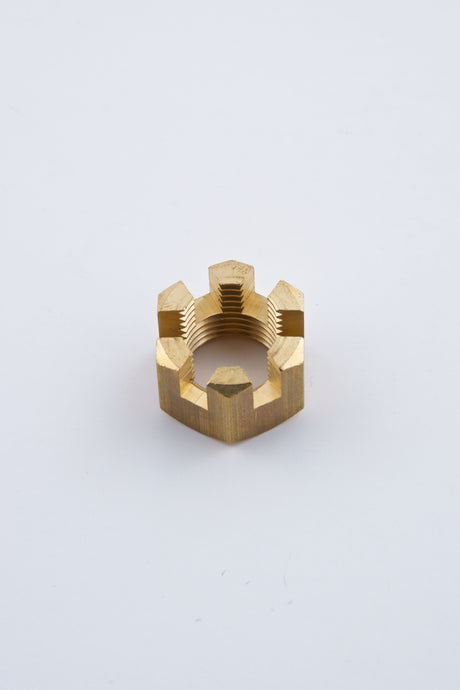
Yamaha 90171-18M04-00 - Prop Castle Nut 90171-18M04-00
$19.49 USD$20.99 USDUnit price /Unavailable
Yamaha
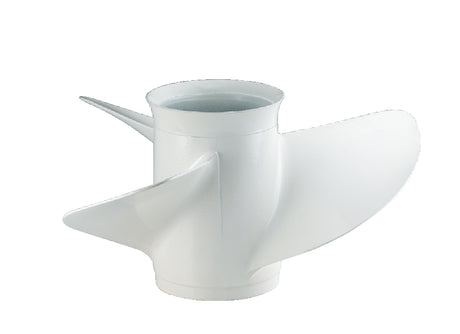
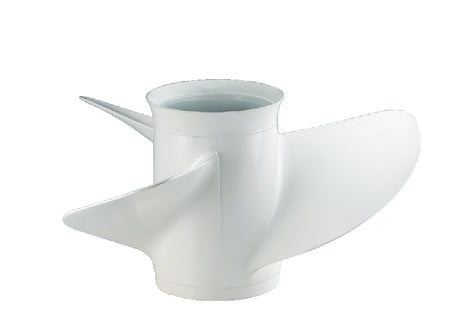
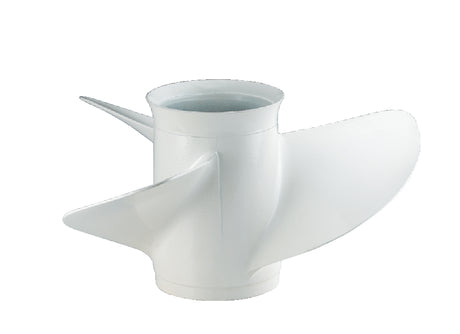
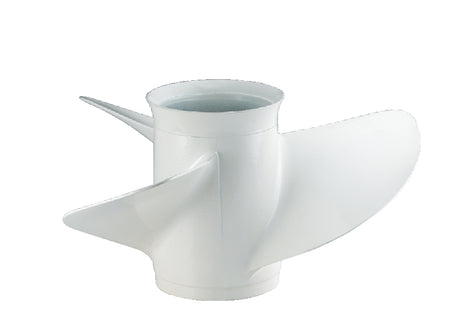
Yamaha 6E5-45945-01-00 - K Series Aluminum Propeller - 3 Blade - 13.25 Dia - 17 Pitch - RH Rotation
$209.59 USD$224.50 USDUnit price /Unavailable
Yamaha
$228.08 USD$244.00 USDUnit price /Unavailable-
Yamaha
$160.27 USD$175.00 USDUnit price /Unavailable -
Yamaha
Yamaha 6E5-45941-00-00 - K Series Aluminum Propeller - 3 Blade - 13 Dia - 19 Pitch - RH Rotation
$209.59 USD$224.50 USDUnit price /Unavailable -
-
Yamaha
Yamaha 6E5-45958-00-00 - K Series Aluminum Propeller - 3 Blade - 13.625 Dia - 14 Pitch - RH Rotation
$209.59 USD$224.50 USDUnit price /Unavailable -
Yamaha
Yamaha 6CE-45C81-00-00 - Damper for 6ce/f prop
$39.72 USD$44.50 USDUnit price /Unavailable -
Yamaha
Yamaha 6E5-45947-00-00 - K Series Aluminum Propeller - 3 Blade - 13.50 Dia - 15 Pitch - RH Rotation
$209.59 USD$224.50 USDUnit price /Unavailable -
Yamaha
$228.08 USD$244.00 USDUnit price /Unavailable 

Yamaha
Yamaha MAR-PRPWR-NC-H1 - Prop Wrench - V4 & V6 Motors
$31.76 USD$34.99 USDUnit price /Unavailable
Yamaha
$958.66 USDUnit price /Unavailable
-
Yamaha
$160.27 USD$175.00 USDUnit price /Unavailable -
Yamaha
Yamaha 6E5-45949-00-00 - K Series Aluminum Propeller - 3 Blade - 13.625 Dia - 13 Pitch - RH Rotation
$209.59 USD$224.50 USDUnit price /Unavailable -
Yamaha
Yamaha 69G-45941-00-00 - Aluminum Propeller - 3 Blade - 11.75 Dia - 5.75 Pitch - RH Rotation
$183.56 USD$201.00 USDUnit price /Unavailable 
-
Yamaha
Yamaha 6H5-45952-00-00 - G Series Aluminum Propeller - 3 Blade - 10.625 Dia - 12 Pitch - RH Rotation
$178.36 USD$189.50 USDUnit price /Unavailable 
Yamaha
$1,088.67 USDUnit price /Unavailable-
Yamaha
Yamaha 69W-45947-00-00 - G Series Aluminum Propeller - 3 Blade - 11.625 Dia - 11 Pitch - RH Rotation
$178.36 USD$189.50 USDUnit price /Unavailable 
Yamaha
$456.49 USD$479.50 USDUnit price /Unavailable-
Yamaha
$228.08 USD$244.00 USDUnit price /Unavailable -
Yamaha
$456.49 USD$479.50 USDUnit price /Unavailable -
Yamaha
$228.08 USD$244.00 USDUnit price /Unavailable -
Yamaha
$259.59 USD$277.50 USDUnit price /Unavailable 
Yamaha
$853.60 USDUnit price /Unavailable-
Yamaha
Yamaha 6H5-45945-00-00 - G Series Aluminum Propeller - 3 Blade - 10.375 Dia - 13 Pitch - RH Rotation
$178.36 USD$189.50 USDUnit price /Unavailable 
Yamaha
$219.18 USD$234.50 USDUnit price /Unavailable-
Yamaha
$228.08 USD$244.00 USDUnit price /Unavailable -
Yamaha
$1,088.67 USDUnit price /Unavailable -
Yamaha
$219.18 USD$234.50 USDUnit price /Unavailable -
Yamaha
$219.18 USD$234.50 USDUnit price /Unavailable -
Yamaha
Yamaha 69G-45943-00-00 - Aluminum Propeller - 3 Blade - 11.75 Dia - 7 Pitch - RH Rotation
$183.56 USD$201.00 USDUnit price /Unavailable
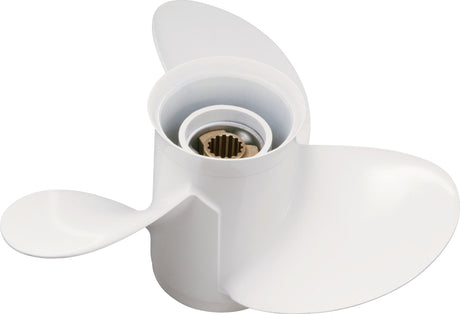
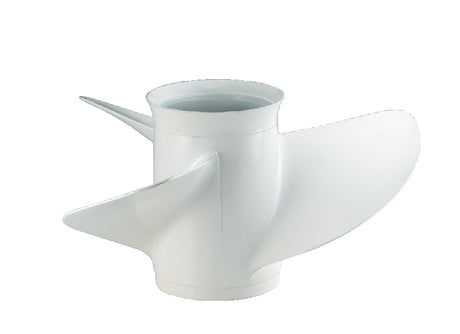
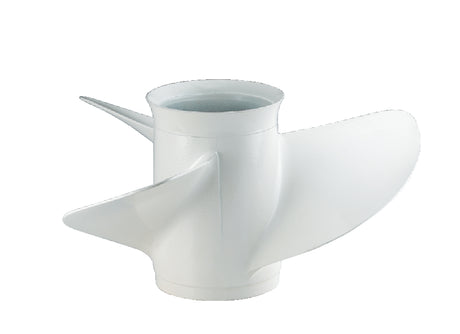
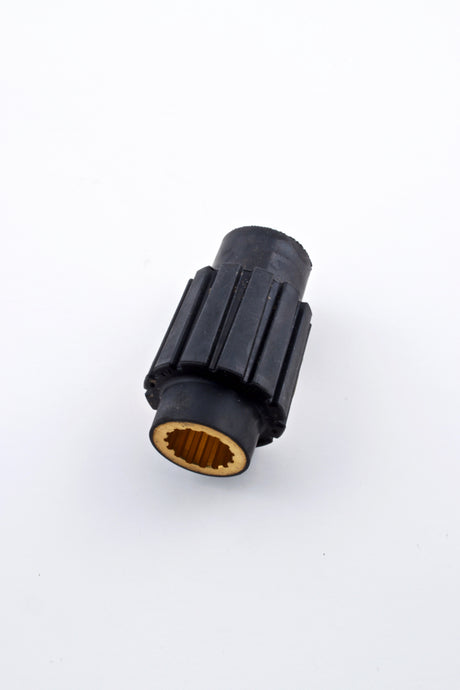
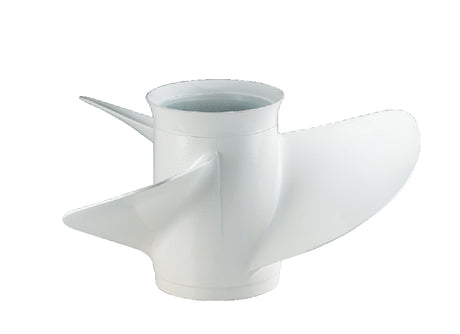
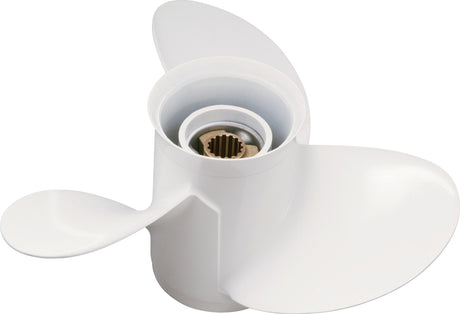

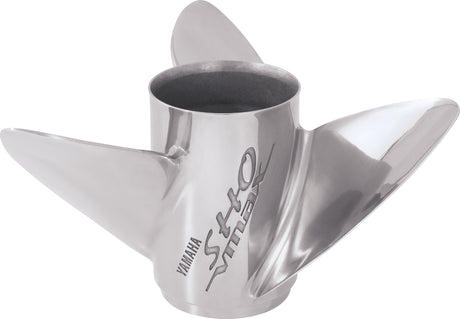
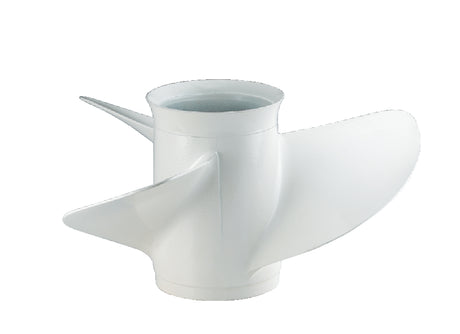
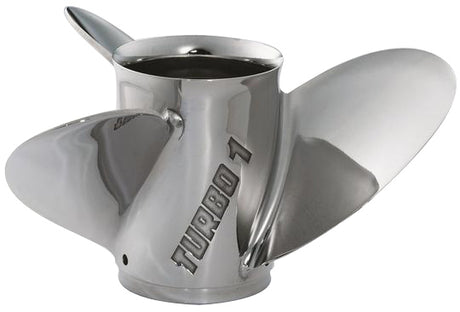
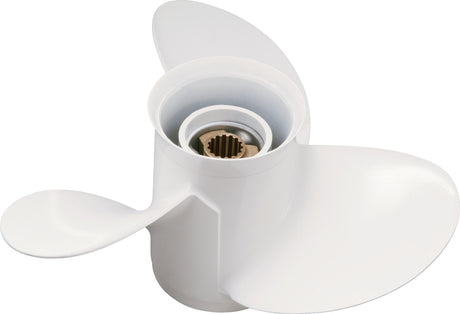
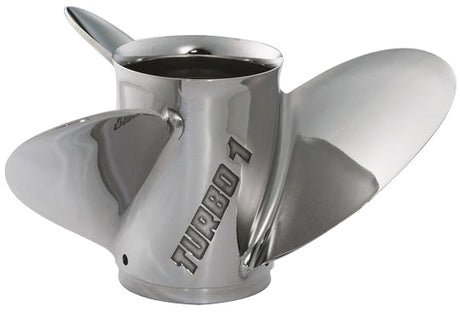
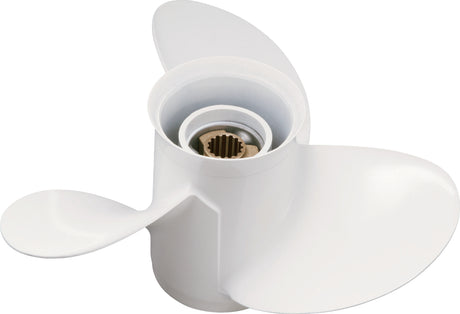
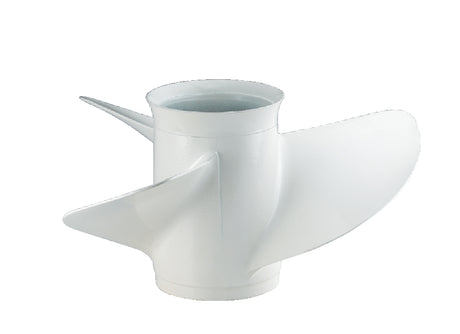
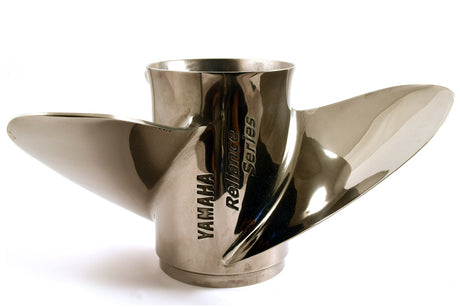

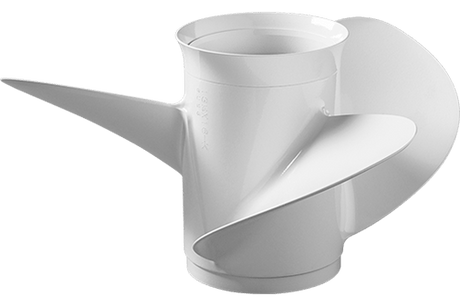
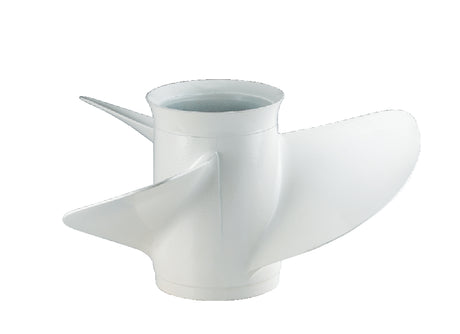
Use the Yamaha Prop Selector to Find the Right Prop
Shop genuine Yamaha outboard propellers by engine, gearcase, prop size, hub system, rotation, and performance goal. Use the Yamaha prop selector workflow below to narrow the options before comparing aluminum, stainless steel, 3-blade, and 4-blade Yamaha props.
The correct Yamaha propeller depends on more than horsepower. Your engine model, gearcase, spline count, current propeller, normal boat load, wide-open-throttle RPM, and intended use all affect which prop is the best match.
Yamaha Prop Selector: Start with Your Current Prop
Your current propeller is usually the best starting point for selecting a replacement or making a performance change. Before shopping, record the part number and any diameter and pitch markings stamped or cast into the propeller.
- Identify the exact Yamaha outboard: Record the model, horsepower, engine family, and gearcase.
- Check the current prop: Find the existing part number, diameter, and pitch.
- Confirm hub and spline fitment: Identify the propeller-shaft spline count and hub system.
- Confirm rotation: Determine whether the application uses standard or counter rotation.
- Record the normal boat load: Include passengers, fuel, batteries, coolers, fishing gear, and other equipment normally carried.
- Check WOT RPM: Compare actual wide-open-throttle RPM under normal load with Yamaha's recommended range for the engine.
- Define the performance goal: Decide whether you are trying to improve acceleration, load carrying, cruising efficiency, handling, or top speed.
This workflow works like a practical Yamaha propeller calculator: begin with a known engine and current prop, then use fitment and real-world RPM data to narrow the correct size and design.
How to Choose a Propeller for a Yamaha Outboard
Quick answer: Match the propeller to your Yamaha engine model, horsepower, gearcase, spline count, rotation, hub system, current prop size, normal boat load, and recommended WOT RPM range.
| Performance goal | Propeller factor to check | What it usually means |
|---|---|---|
| Better acceleration or hole shot | Lower pitch or suitable 4-blade design | Can help the engine build RPM faster and move heavier loads more effectively. |
| More top-end speed | Higher pitch, if WOT RPM remains in range | May improve speed when the engine can still reach its recommended RPM range. |
| Better load carrying | 4-blade or larger-diameter design | Can improve grip, thrust, and control with more passengers, fuel, gear, or rougher water. |
| Lower-cost replacement | Aluminum propeller | A practical option for general boating, backup use, and routine replacement. |
| Greater durability or performance | Stainless steel propeller | Stronger under load and often preferred for demanding or higher-performance applications. |
| Correct fitment | Gearcase, spline count, rotation, and hub system | Helps prevent installation problems, vibration, slipping, and poor power transfer. |
How to Read Your Current Yamaha Propeller Size
Propeller size is commonly shown as diameter by pitch. For example, a prop marked 13.25 × 17 has an approximate 13.25-inch diameter and 17-inch pitch.
- Diameter: The width of the circle formed by the blade tips. Diameter influences how much water the propeller can move and can affect thrust and load carrying.
- Pitch: The theoretical distance the propeller would move forward in one revolution under ideal conditions. Lower pitch generally increases RPM and acceleration, while higher pitch may support more speed when the engine can still reach its recommended RPM range.
- Part number: If available, use the Yamaha propeller part number to identify the current prop family and specification before changing size or design.
If the current prop performs well and the goal is simply replacement, matching the existing Yamaha part number or equivalent specification is usually the safest starting point.
What Size Propeller Do I Need for My Yamaha Outboard?
Do not choose a Yamaha outboard propeller by horsepower alone. Two boats using the same engine may need different props because hull design, gearcase, mounting height, load, and intended use affect performance.
Start with the current diameter and pitch, then compare the engine's actual WOT RPM under normal load with Yamaha's recommended range. If the engine runs above the range, the prop may have too little pitch. If it cannot reach the range, pitch may be too high, the load may be excessive, or another setup issue may be affecting performance.
3-Blade vs 4-Blade Yamaha Props
| Prop type | Best for | Potential trade-off |
|---|---|---|
| 3-blade Yamaha prop | General boating, cruising, speed, and fuel efficiency | May provide less grip, lift, or load control than a comparable 4-blade prop. |
| 4-blade Yamaha prop | Stronger hole shot, grip, lift, load carrying, and rough-water control | May reduce maximum speed slightly depending on the boat and setup. |
A 3-blade propeller is often the starting point for balanced everyday performance. A 4-blade design may be better when bite, planing, handling, or carrying heavier loads matters more than maximum top-end speed.
Aluminum vs Stainless Steel Yamaha Propellers
| Material | Best for | Buyer note |
|---|---|---|
| Aluminum | Value, casual boating, backup props, and general replacement | Affordable and practical for many everyday boating applications. |
| Stainless steel | Performance, durability, heavier loads, offshore use, and demanding conditions | Stronger and more resistant to flex under load. |
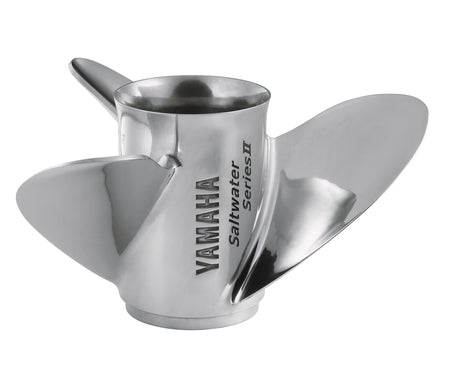
Browse Yamaha painted stainless steel propellers for compatible performance-oriented options. For demanding saltwater applications, also review Yamaha Saltwater Series II propellers.
How Do I Know Whether a Yamaha Propeller Will Fit?
Yamaha outboard props are not universal. Before ordering, confirm:
- Exact Yamaha outboard model and horsepower
- Engine family
- Gearcase size
- Propeller-shaft spline count
- Standard or counter rotation
- Current propeller part number
- Diameter and pitch
- Required hub system
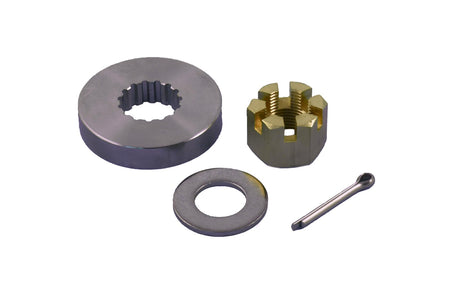
- Required thrust washer, spacer, nut, cotter pin, or other hardware
Some propeller families use an integrated hub, while others require a separate hub kit. Verify what is included with the selected prop before ordering.
Why Yamaha Propeller Hub Kits Matter
The hub connects the propeller to the propeller shaft and transfers engine power while helping manage engagement and vibration. Depending on the Yamaha propeller family, the hub may be integrated or may require a separate compatible hub kit.
When replacing a propeller, confirm the required hub, thrust washer, spacer, prop nut, cotter pin, and related installation hardware.
Shop Yamaha Propellers by Outboard Model
| Yamaha outboard model | Typical application context | Selection reminder |
|---|---|---|
| Yamaha F25 | Portable and small-boat applications | Confirm gearcase, shaft splines, current prop size, and normal load. |
| Yamaha F50 | Small fishing boats, pontoons, skiffs, and utility boats | Compare pitch and blade design based on load and target WOT RPM. |
| Yamaha F70 | Lightweight fishing and performance-oriented small boats | Check engine model, gearcase, hub, and performance goal. |
| Yamaha F115 | Fishing boats, pontoons, and recreational hulls | Match diameter, pitch, rotation, spline count, and hub hardware. |
| Yamaha F200 | Bay boats, center consoles, and larger recreational boats | Evaluate real-world load, acceleration, cruise efficiency, and WOT RPM. |
| Yamaha F250 | Higher-horsepower and offshore applications | Confirm standard or counter rotation and the correct offshore propeller family. |
| Yamaha F300 | Larger offshore boats and heavier-load setups | Verify gearcase, hub system, rotation, blade style, and intended performance. |
These are general application examples, not fixed propeller recommendations. Use the Yamaha model, gearcase, current propeller, boat load, and real-world RPM to identify the correct option.
To compare compatible engines, browse Yamaha outboard motors. For related drivetrain components and service, browse Yamaha lower units.
When Should You Replace a Yamaha Outboard Prop?
Inspect, repair, or replace the propeller when you notice:
- Bent, cracked, chipped, curled, or heavily worn blades
- New or increasing vibration
- Reduced acceleration or weaker hole shot
- Lower top speed than the boat previously achieved
- Engine RPM outside the recommended WOT range
- Propeller slipping or possible hub failure
- Fishing line around the propeller shaft
- Damaged installation hardware
- Heavy corrosion or impact damage
After a propeller impact, inspect the blades, hub, prop shaft, seals, and surrounding lower-unit components before continued use.
Yamaha Outboard Prop Replacement Basics
Propeller replacement commonly involves removing the cotter pin, prop nut, washers or spacers, and the old propeller; checking the shaft for fishing line, corrosion, or seal damage; cleaning and lubricating the splines; and reinstalling the correct hardware in the proper order.
Always follow Yamaha service information for the exact engine when confirming hardware orientation and prop-nut torque. For related drivetrain maintenance, browse Yamalube marine grease, Yamaha lower units, and Yamalube marine gear lube.
Why Choose Genuine Yamaha Outboard Propellers?
- Yamaha-specific fitment: Designed for compatible Yamaha engines, gearcases, and hub systems.
- Application range: Yamaha offers propeller families for portable, midrange, High Thrust, performance, and offshore applications.
- Material options: Choose aluminum or stainless steel based on budget, durability, and performance needs.
- Fitment confidence: Genuine Yamaha specifications make it easier to match the propeller to supported Yamaha engines and hardware.
Yamaha Outboard Propeller FAQs
How do I use a Yamaha prop selector?
Start with the exact Yamaha outboard model, horsepower, gearcase, current propeller part number, diameter, and pitch. Then confirm spline count, hub system, rotation, normal boat load, actual WOT RPM, and the performance result you want before selecting a replacement or different propeller size.
What size propeller do I need for my Yamaha outboard?
Start with the diameter and pitch of the current propeller and the exact Yamaha engine model. Compare actual WOT RPM under the boat's normal load with Yamaha's recommended range, then adjust pitch or propeller design only after confirming fitment and the performance goal.
How do pitch and diameter affect Yamaha outboard performance?
Lower pitch generally allows the engine to build RPM more easily and can improve acceleration, while higher pitch may support more speed if the engine can remain within its recommended WOT RPM range. Diameter affects how much water the propeller can move and can influence thrust and load carrying.
How do I know whether a Yamaha propeller will fit my gearcase?
Confirm the exact engine model, gearcase size, propeller-shaft spline count, rotation, hub system, diameter, pitch, and required installation hardware. Do not assume that props for engines with similar horsepower are interchangeable.
Shop Yamaha Outboard Props with Confidence
Use the Yamaha prop selector workflow to narrow your choices by engine, gearcase, current propeller, size, rotation, hub system, normal load, WOT RPM, and performance goal. Then compare genuine Yamaha outboard props by material, blade design, propeller family, and application before ordering.