
All Categories

-
-
-
Yamaha
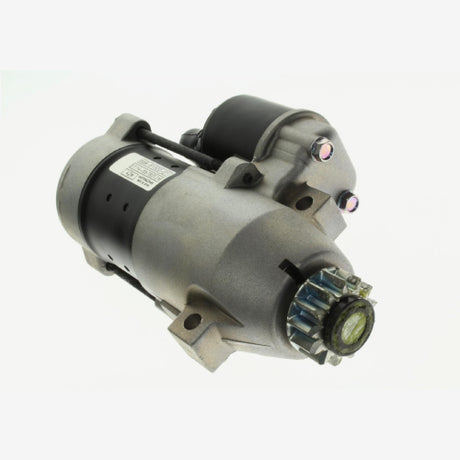
Yamaha 68V-81800-03-00 - Starting motor assy
$611.68 USD$615.99 USDUnit price /Unavailable -
-
Yamaha
Yamaha 67C-81800-02-00 - Starting motor assy
$415.57 USD$435.99 USDUnit price /Unavailable -
-
-
-
-
-
-
-
-
-
-
-
-
-
-
-
-
-
-
-
-
-
-
-
Yamaha
Yamaha 6L2-81800-20-00 - Starting motor assy
$411.68 USD$430.99 USDUnit price /Unavailable -
-
-
-
-
-











Yamaha Outboard Spark Plugs & Ignition Components
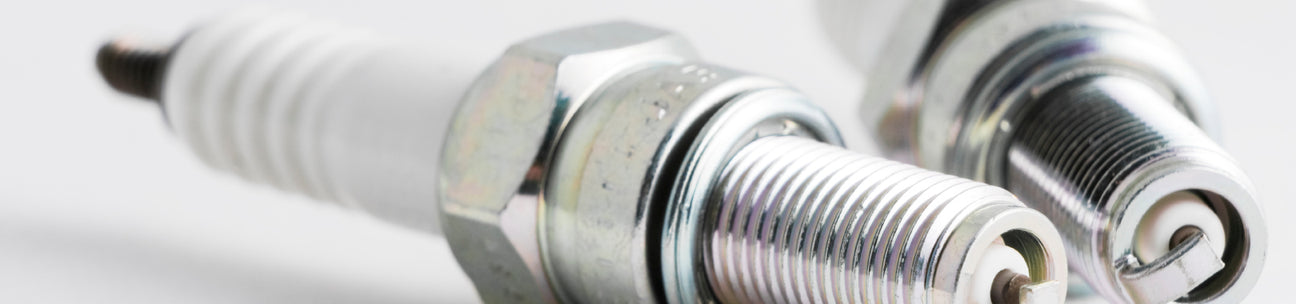
When it comes to keeping your Yamaha outboard motor running strong, spark plugs matter more than you might think. At YamahaOnlineParts.com, we carry only high-quality Yamaha outboard spark plugs and ignition components that meet OEM specifications. Whether you’re tuning up for the season, troubleshooting performance issues, or doing a 100-hour service, the right Yamaha spark plugs can make all the difference.
TD T-132 Yamaha spark plug cap
TD T-132 Yamaha usually refers to an ignition spark plug cap or resistor plug boot used on certain Yamaha engines. Spark plug caps help connect the ignition lead to the spark plug while suppressing electrical noise and supporting reliable ignition.
Compatibility can vary by Yamaha outboard model, ignition coil, plug wire, and part number. Match the spark plug cap or ignition component by exact Yamaha model code and OEM part number before ordering.
Yamaha 115 4-stroke spark plug replacement
Yamaha 115 4-stroke spark plug replacement usually involves removing the cowling, accessing the ignition coils or plug caps, removing the old spark plugs, checking the recommended plug type and gap, installing the new plugs, and reconnecting the ignition components securely.
The correct Yamaha 115 spark plug can vary by model year and engine family, including F115 and newer 115hp four-stroke models. Always confirm the plug part number, gap, and torque specification for your exact Yamaha model before installation.
Yamaha 150 outboard spark plugs
Yamaha 150 outboard spark plugs should be matched to the exact engine family, model year, and part number. Many Yamaha 150hp owners replace spark plugs during routine 100-hour or annual service, along with oil, filters, gear lube, and other maintenance items.
Before ordering spark plugs for a Yamaha 150 outboard, confirm whether the engine is a 2-stroke, F150 four-stroke, V MAX SHO, HPDI, or another 150hp model family, because plug type, gap, and replacement procedure can vary.
Yamaha F150 spark plugs
Yamaha F150 spark plugs are routine ignition maintenance parts for Yamaha’s 150hp four-stroke outboard family. The correct spark plug depends on the F150 model year, exact model code, and Yamaha’s recommended plug specification.
When replacing Yamaha F150 spark plugs, confirm the correct plug part number, gap, and torque specification, and inspect the old plugs for signs of fouling, fuel issues, oil burning, or ignition problems.
What does a Yamaha starter solenoid do?
It’s a heavy-duty electromagnetic switch that connects your battery to the starter only when you turn the key (or press Start). It enables high current to the starter while keeping that current out of the helm switch.
Bad starter solenoid symptoms (Yamaha outboard):
- Single or rapid click but no crank
- Intermittent cranking; cranks only when tapping relay area
- Voltage at battery OK, but big voltage drop at the starter terminal during “START”
- Burnt/melted posts or smell at solenoid
2-minute check:
- Battery ≥12.6V at rest.
- Key to START: check the small trigger wire at the solenoid – should see ~12V.
If trigger has 12V but starter post doesn’t, the solenoid is likely faulty.
(Use eye/hand protection; keep clear of prop. Do not bridge posts unless you know safe procedure.)
Yamaha starter solenoids & ignition parts – model-verified fit
If you’re hearing a click but no crank, start with the starter solenoid. We stock OEM Yamaha solenoids, complete starters, NGK spark plugs, coils, and wiring so you can diagnose no-start and hard-start issues quickly. Use our fitment lookup or send your model/PID – we’ll match the exact part.
Why OEM for solenoids & starters?
Marine duty means salt, heat, vibration. OEM housings, contact design, and windings are built for that abuse – and they protect downstream wiring and the starter motor.
Solenoid vs. starter vs. relay (one-liner chips)
- Solenoid: high-current switch for the starter
- Starter: motor that turns the flywheel
- Relays/Fuse links: protect/control circuits upstream
Quick diagnostic flow (3 steps)
- Battery & cables: Clean/tight; load-test if needed.
- Solenoid trigger: 12V on small terminal while cranking? If yes, suspect solenoid or starter.
- Voltage drop test: >0.5–1.0V drop across solenoid under crank = replace solenoid.
(If starter post has full voltage but no spin ⇒ starter/ground issue.)
Why Spark Plugs Matter for Yamaha Outboards
Your Yamaha outboard’s spark plug is responsible for delivering the electrical charge that ignites the fuel-air mixture in each cylinder. This moment of ignition is what keeps your engine firing on all cylinders – literally. A weak or fouled plug can lead to hard starts, misfires, reduced fuel economy, and even engine damage over time. That’s why choosing the right spark plug for Yamaha outboard engines is key to both performance and reliability.
What Makes OEM Yamaha Spark Plugs Different?
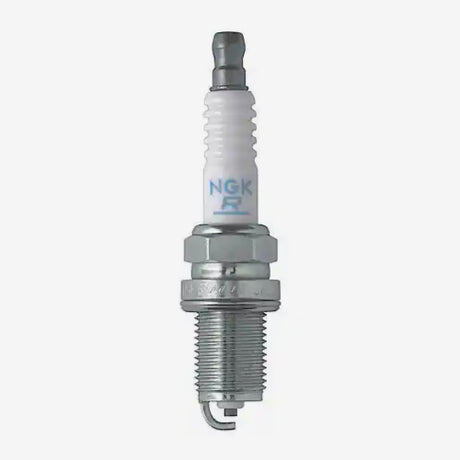
All the spark plugs for Yamaha outboards we carry are NGK-manufactured and approved by Yamaha. NGK plugs are known for their:
- Long-lasting, corrosion-resistant design
- Precise gap settings for consistent ignition
- Heat range tuning for marine-grade performance
- Compatibility with Yamaha 2-stroke and 4-stroke engines
Generic spark plugs might cost less up front, but they don’t offer the same quality of combustion or peace of mind. That’s especially important in marine environments, where salt, heat, and vibration put extra stress on your ignition system.
When Should You Replace Your Yamaha Spark Plugs?
Every outboard is a little different, but a good rule of thumb is to inspect your Yamaha outboard spark plugs every 100 hours or once per season – whichever comes first. Most boaters end up replacing them annually, especially if they’re running in saltwater or frequently at wide-open throttle (WOT). Signs it’s time to change your spark plugs include:
- Hard starting
- Poor idle or hesitation
- Engine knocking or pinging
- Excessive fuel consumption
- Visible carbon buildup or corrosion on the plugs
Check your Yamaha owner’s manual for the recommended intervals and torque specs.
Step-by-Step: Yamaha Spark Plug Replacement & Compression Maintenance
If you're performing your own 100-hour service, here's how to tackle spark plug and compression system checks at home:
- Remove the cowl to access ignition coils or plug wires.
- Mark each spark plug by cylinder to ensure proper reinstallation or analysis.
- Inspect each plug for oil, water, carbon buildup, or damaged electrodes. These signs may indicate deeper engine issues.
- Use a compression gauge to test each cylinder (if desired). Make sure all values are within 10% of one another.
- Apply a drop of oil to each new spark plug’s threads to ease installation.
- Tighten to spec (usually 18–21 ft. lbs. for NGK plugs), using the crush washer to seal.
- Reinstall coils or wires, applying Yamaha grease where needed.
These small steps help ensure top-tier combustion, smoother starts, and fewer headaches on the water.
Common Questions About Yamaha Spark Plugs
How do I know my Yamaha starter solenoid is bad?
Click/no crank, intermittent cranks, hot or burnt posts, or excess voltage drop across the solenoid when the key is in START.
Can I jump the solenoid posts to test the starter?
It can spin the starter, but it bypasses safety circuits. If you’re not experienced, use a meter instead. If you do bridge, remove lanyard/kill switch, keep clear of prop, and expect sparks.
Starter clicks once – battery is new. Replace solenoid or starter?
Verify 12V on the solenoid’s trigger while cranking. If present and your drop across the solenoid is high, replace the solenoid first; if voltage at starter is good and it still won’t spin, the starter is likely at fault.
Do I need dielectric grease on connections?
Yes – lightly on the outside of clean terminals after tightening. Don’t insulate poor connections; fix them first.
What info do you need to match my solenoid?
Model/PID, year, and HP. We’ll confirm the correct mounting, terminals, and harness style.
How do Yamaha outboard spark plugs work?
They create a small electrical arc between two electrodes that ignites the compressed fuel/air mixture. This ignition produces the combustion needed to power your engine.
Are all Yamaha spark plugs the same?
No. Yamaha uses different plugs for different models and operating conditions. Always check your manual or use our lookup tool to match the right plug.
What is the best spark plug for a Yamaha outboard?
OEM NGK spark plugs that match Yamaha’s factory specs are always the safest bet.
Head Gasket Health and Ignition Symptoms
Your spark plug Yamaha system is closely linked to other components, like the head gasket. If you notice water around a spark plug hole, rough idle, or black sludge in the cylinder, it could indicate a failing gasket. Don’t ignore these signs – left untreated, a leaky gasket can result in major internal engine damage.
When to Replace a Yamaha Outboard Head Gasket
Most gaskets last around 4 years, but excessive heat, saltwater exposure, or vibration can shorten that lifespan. Expect to pay under $50 for DIY gasket parts, but pro installation may run $200–$400. It’s worth having a tech inspect the head and ensure all surfaces are level.
Spark Plug Troubleshooting & Fuel System Cleaning
If your Yamaha 4-stroke outboard engine is hard to start, misfires, or vibrates under load, your spark plugs may not be the only issue. Blocked fuel injectors can also lead to poor combustion.
To clean your injectors:
- Remove injectors and fuel rails (or use an on-engine cleaning kit).
- Disconnect O-rings and wipe surfaces clean.
- Connect tubing filled with injector cleaner and apply air pressure.
- Use a battery and connectors to pulse the injector open/closed while cleaner sprays through.
- Reinstall injectors with new seals and test engine operation.
Routine cleaning helps keep your ignition system firing clean and strong.
Shop Yamaha Spark Plugs & Ignition Parts Now
At Yamaha Online Parts, we carry more than just spark plugs. Our ignition selection includes:
- NGK Spark Plug Service Packs
- Yamaha Outboard Starters
- Ignition coils and wiring components
- Gaskets, dampers, and other accessories
We make it easy to find the exact Yamaha outboard spark plugs and parts you need – whether you’re doing routine service, troubleshooting rough starts, or getting ready for peak season.