

Yamaha
Yamaha ACC-MRNPA-IT-8D - Marine Outboard Engine Cowling Spray Paint 8D - Dark Blue Gray (12 oz.)
$11.58 USD$12.50 USDUnit price /Unavailable
Yamaha
$12.48 USD$13.35 USDUnit price /Unavailable-
Yamaha
$12.48 USD$13.35 USDUnit price /Unavailable -
Yamaha
$11.58 USD$12.50 USDUnit price /Unavailable -
Yamaha
Yamaha ACC-MRNPA-IT-NA - Marine Outboard Engine Cowling Spray Paint NA - SHINY BLACK - 12 OZ.
$11.43 USD$12.35 USDUnit price /Unavailable -
Yamaha
Yamaha Marine Outboard Engine Cowling Spray Paint - White Pearlescent Base & Clear Coat - 1 Each
$24.98 USDUnit price /Unavailable -
Yamaha
$23.18 USDUnit price /Unavailable -
Yamaha
Yamaha Marine Outboard Engine Cowling Spray Paint - White Pearlescent Base & Clear Coat - 2 Each
$49.96 USDUnit price /Unavailable -
Yamaha
$23.18 USDUnit price /Unavailable -
Yamaha
$24.98 USDUnit price /Unavailable -
Yamaha
$69.54 USDUnit price /Unavailable -
Yamaha
$74.94 USDUnit price /Unavailable 
Yamaha
$74.94 USDUnit price /Unavailable-
Yamaha
Yamaha Marine Outboard Engine Cowling Spray Paint - White Pearlescent Base & Clear Coat - 6 Each
$149.88 USDUnit price /Unavailable -
Yamaha
$24.98 USDUnit price /Unavailable -
Yamaha
$69.48 USDUnit price /Unavailable
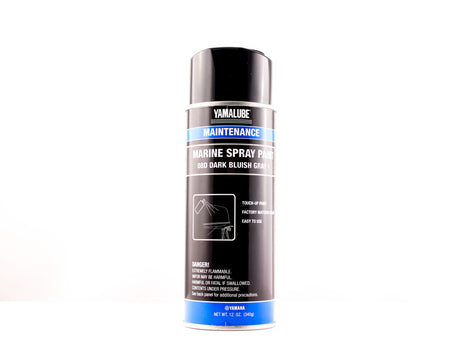
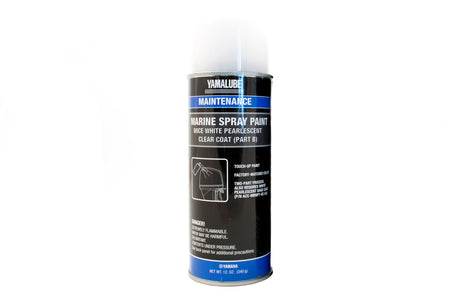
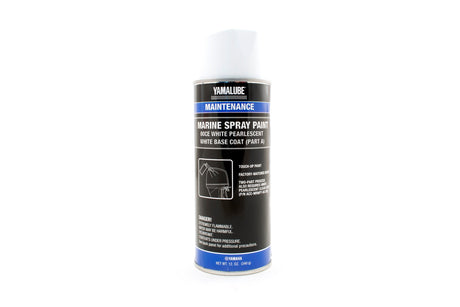
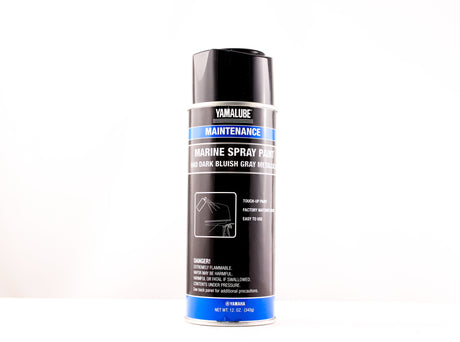
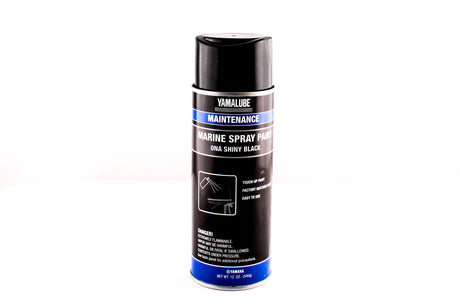
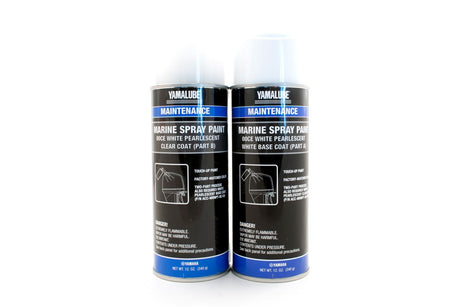
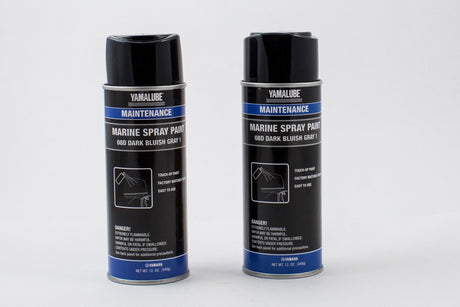
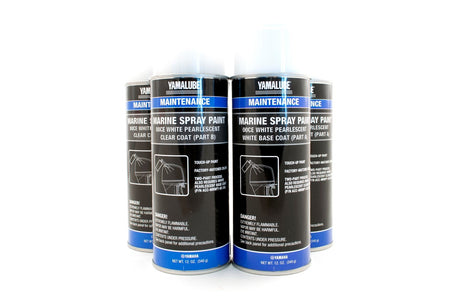
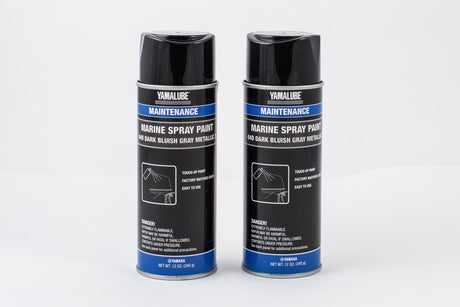
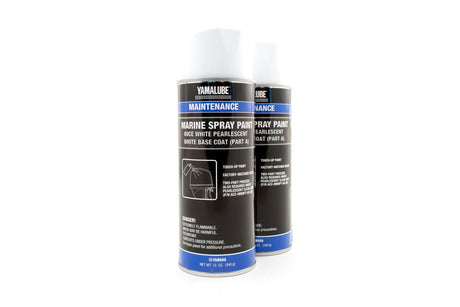
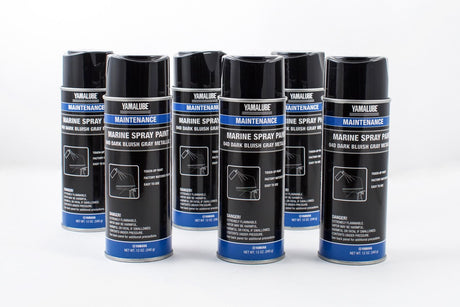
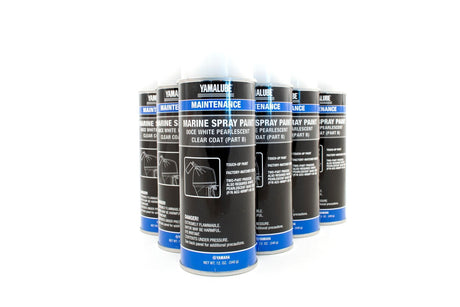
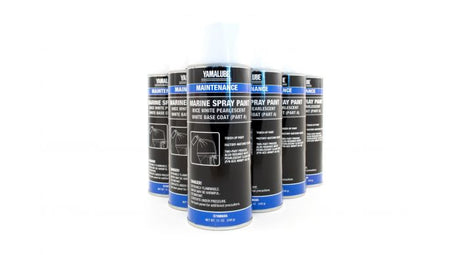
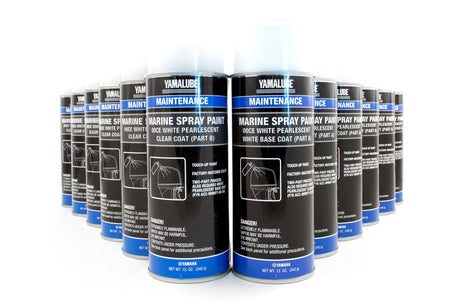
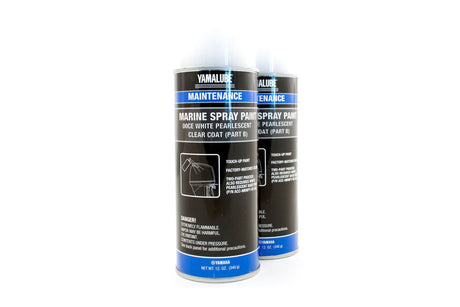
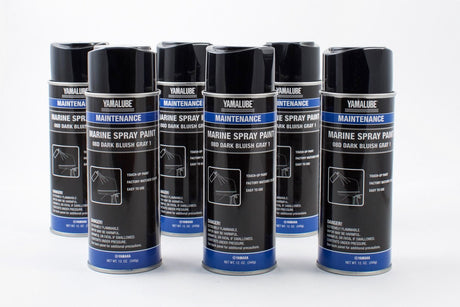
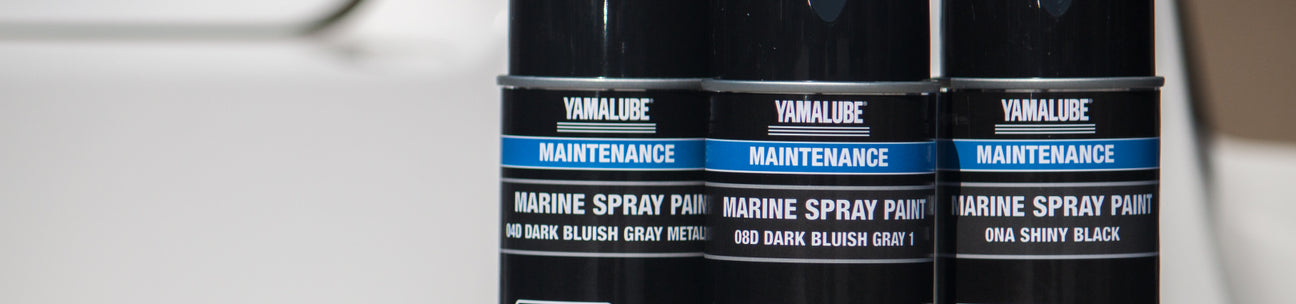
Yamalube Spray Paint for Yamaha Outboard Engines
Need Yamaha outboard motor paint that matches the original factory finish? Yamalube spray paint is made for Yamaha outboard engines, including cowling touch-ups, lower unit refinishing, panel blends, and full repaint projects. These marine-grade aerosol paints are color-matched to Yamaha factory finishes, including common 8D gray color families, and are designed to stand up to salt, UV exposure, moisture, and regular wear around the water.
Whether you are repairing a small chip, freshening up faded Yamaha boat motor paint, or repainting a scuffed lower unit, the best results come from choosing the correct Yamaha color code, preparing the surface properly, using a compatible primer, and finishing with a clear coat where recommended. Browse this collection to find Yamaha marine paint, primer, clear coat, and related refinishing supplies for your outboard.
Best paint for a Yamaha outboard motor
The best paint for a Yamaha outboard motor is marine-grade paint matched to the engine’s original Yamaha color and surface type. Proper prep matters: clean, degrease, sand where needed, use the correct primer for bare metal or aluminum, and apply compatible Yamaha touch-up or spray paint for the finish.
For best results, match paint by Yamaha model, year, color code, cowling color, and part number before ordering. Outboard lower units, cowls, brackets, and touch-up areas may require different prep or coating products.
Yamaha outboard paint codes
Yamaha outboard paint codes help identify the correct factory-matched color for touch-up, cowling repair, lower unit refinishing, and bracket repainting. Common Yamaha marine colors include gray, black, and white finishes, but the correct code can vary by model year, engine family, and surface.
Before ordering Yamaha outboard paint, confirm the color code, paint name, model year, and part number. If the engine has been repainted or repaired before, compare the color carefully before applying new paint.
Where to buy Yamalube paint
You’re in the right place. Browse this collection to select Yamalube marine spray paint for Yamaha outboards. Open any product card to review the specific color name, paint code, compatible use, and related primer or clear coat options.
YamahaOnlineParts.com carries color-matched Yamaha outboard engine paint, OEM maintenance products, and related refinishing supplies, so you can handle anything from a small scratch repair to a full cowling refresh without guessing on fit or finish.
Yamaha outboard paint color reference guide
Yamaha has used several factory colorways across different model years, engine families, and decal sets. Use the table below as a general starting point, then verify the exact color against your owner’s manual, cowling decal set, or the color name/code shown on the product page before ordering.
| Engine Series | Model Years | Common Yamaha Color Name | Code / Note |
|---|---|---|---|
| F-series 4-stroke, larger horsepower models | Many 2015+ models | Phantom Gray Metallic | Often associated with Yamaha 8D color families |
| F-series 4-stroke, midrange models | Many 2013–2022 models | Metallic Gray | Verify by engine year and decal set |
| V MAX SHO | 2008+ models | Charcoal / Dark Gray family | Check the decal set and product color listing |
| Legacy 2-stroke models | Pre-2003 models | Heritage Gray family | Verify by year before ordering |
| Lower unit applications | Varies by model | Black or model-specific lower unit finish | Confirm against your existing finish |
Important: Yamaha paint colors can vary by engine series, production year, decal package, and sun fading. If your original paint has faded, blend over a slightly larger area instead of spraying only the damaged spot.
How to choose the right Yamaha outboard motor paint
- Identify your engine model and year. Check the cowling decal set, owner’s manual, or model plate.
- Match the Yamaha color name or code. Use the product card to confirm the paint name, color code, and intended application.
- Check the surface you are painting. Cowling, lower unit, brackets, and trim areas may require different prep or finish products.
- Account for fading. Older Yamaha boat motor paint may look lighter or duller than a fresh factory-matched aerosol paint.
- Use primer and clear coat when needed. Primer helps adhesion, while clear coat improves gloss, UV resistance, and protection.
If you are also replacing graphics, select paint that matches the model-year palette used by your decal kit. You can also browse custom cowling graphics if you are refreshing the full cowling finish.
Surface preparation and primer guidance
Surface prep is the difference between a quick cosmetic touch-up and a finish that actually holds up around saltwater, sun, and trailering. Before applying Yamalube spray paint, clean and prepare the surface carefully.
- Clean the surface thoroughly. Remove salt, grease, oxidation, wax, and loose residue. A product such as Yamalube External Engine Cleaner can help remove grime before sanding.
- Sand lightly. Use 400-grit wet/dry sandpaper to dull the surface and create a bonding profile. Feather the edges around chips, scratches, or peeling paint.
- Wipe clean and dry completely. Do not paint over moisture, dust, sanding residue, or oil.
- Apply compatible primer. Use a Yamaha-compatible automotive or marine primer in 2 light coats when bare material, repaired areas, or heavily sanded surfaces are exposed.
- Allow primer flash time. Let primer dry for about 30–60 minutes between coats, or follow the directions on the can.
- Scuff before color. Lightly scuff the primed surface with 600-grit paper before applying the color coat.
Can I apply Yamalube spray paint without primer? For tiny touch-ups on intact factory paint, primer may not always be necessary. For bare metal, plastic repair areas, peeling paint, lower unit refinishing, or full resprays, primer is strongly recommended for better adhesion and durability.
Dry time between coats
- Between color coats: Allow about 10–15 minutes of flash time before applying the next light coat, or follow the product label.
- Before clear coat: Let the color coats dry for about 30–60 minutes in ideal conditions, such as 70°F and low humidity.
- Before decals: Wait 24–48 hours after clear coat before applying graphics or decals, unless the product label recommends a longer cure time.
- Before heavy handling: Let the finish cure fully before installing covers, polishing, washing aggressively, or trailering in harsh conditions.
How much Yamaha outboard paint do I need?
| Project Type | Best Approach | Estimated Paint Needed |
|---|---|---|
| Small chip or scratch under 2 square inches | Spot spray and feather the edges | Less than 1 can of color |
| Panel blend on one side of a cowling | Light scuff, 2–3 color coats, then clear coat | 1–2 cans color + 1 clear coat |
| Full cowling respray | Full prep, primer, 3+ light color coats, then clear coat | 2–3 cans color + 1 primer + 1 clear coat |
| Full lower unit repaint | Sand, prime, apply 2 color coats, then clear coat where recommended | 1–2 cans color + 1 primer |
Coverage depends on surface size, color, sanding quality, coat thickness, and spray technique. Light coats are better than one heavy coat, especially when working around curves, vents, and lower unit edges.
Touch-up vs. full respray: which should you choose?
Choose a touch-up if the damage is limited to a small chip, scratch, or dock rub and the surrounding Yamaha marine paint is still in good condition. Clean, lightly sand, feather the edges, apply light coats, and blend beyond the damaged area.
Choose a panel blend if one side of the cowling has sun fading, scratches, or scuffs that would stand out with spot paint only. Blending gives a smoother transition between old and new paint.
Choose a full respray if the cowling or lower unit has widespread fading, peeling, oxidation, or mismatched previous repairs. A full repaint takes more prep, but it usually gives the most consistent factory-like finish.
How to paint a Yamaha outboard cowling or lower unit
- Wash the surface and remove salt, grease, wax, and oxidation.
- Sand rough areas, peeling paint, and scratches until the surface feels smooth.
- Mask off decals, vents, hardware, rubber trim, and areas you do not want painted.
- Apply primer if the surface is bare, heavily sanded, or being fully refinished.
- Spray Yamalube paint in thin, even coats. Avoid heavy passes that can run or sag.
- Allow 10–15 minutes of flash time between color coats, or follow the can’s directions.
- Apply 2–3 thin clear coats after the color has dried enough for clear application.
- Let the finish cure fully before applying decals, using a cover, or washing aggressively.
Work outdoors or in a well-ventilated area, avoid windy conditions, and test spray on a small area or panel before coating the main surface.
How to coat with Yamalube spray paint
- After the final color coat flashes and dries according to the product label, lightly de-dust the surface.
- Apply 2–3 thin clear coats, allowing the recommended dry time between each coat.
- Let the clear coat cure fully before installing decals, cowling covers, or hardware.
Do not clear-coat over fresh vinyl decals unless the paint system specifically supports it. In most cases, decals should be applied after the color and clear coat have cured.
Care and protection after painting
After refinishing your Yamaha outboard, rinse the engine after saltwater use, hand-wash only, avoid harsh solvents, and do not machine-polish aggressively until the finish has fully cured. For under-cowling and hardware protection, use Yamashield. For moving parts, Yamalube Marine Grease helps protect shafts, joints, propeller areas, and other high-friction components.
For exterior shine between trips, use Yamalube Spray Polish & Instant Detailer where appropriate. A properly fitted Yamaha outboard cover can also help protect the cowling from UV fading, scratches, road grime, tree sap, and dockside wear.
• Use Yamalube spray paint for Yamaha outboard motor paint touch-ups, cowling refinishing, and lower unit paint repairs
• Match the Yamaha color name/code before ordering
• Prep with cleaning, sanding, primer, and light coats
• Allow proper flash time between coats
• Use clear coat where recommended for gloss and UV protection
• Wait for full cure before applying decals or covers
If you’ve had your outboard for a while, chances are the paint has seen some sun, salt, and dock rash. That is normal. Yamalube marine spray paint is designed for Yamaha outboard engines, so it is a better match than ordinary hardware-store spray paint when you want the finish to look close to factory again.
You’ll also find everything else you may need on YamahaOnlineParts.com, including OEM parts, primer, clear coat, decals, cleaners, and maintenance products. If you like to research before starting the job, these guides may help:
- Yamaha outboard engine schematics
- Winterizing Yamaha Outboard Motors - Here's How
- Yamaha Ring Free Plus – Is It Essential?
- Guide to Yamaha Outboard Fuel Filters
For fuel system care during storage or seasonal maintenance, consider Ring Free Plus and Fuel Stabilizer. These products help keep injectors clean, reduce fuel-related deposits, and protect stored fuel during the off-season.
Yamalube Marine Spray Paint FAQs
What color paint do I use for my Yamaha outboard?
Use the Yamaha color name or color code that matches your engine model year, cowling decal set, and existing finish. Many Yamaha 4-stroke outboards use gray or dark metallic color families, but the exact shade can vary by year and engine series. Always verify the product color against your owner’s manual, decal set, or original paint before ordering.
How do I prep a Yamaha outboard cowling for painting?
Clean the cowling thoroughly, remove salt and grease, sand lightly with 400-grit wet/dry sandpaper, wipe the surface clean, apply compatible primer if needed, and scuff the primer with 600-grit before spraying color. Careful prep helps Yamalube spray paint bond properly and reduces peeling, bubbling, or uneven gloss.
Can I apply Yamalube spray paint without primer?
For tiny touch-ups over intact factory paint, primer may not always be necessary. For bare metal, exposed plastic, repaired areas, peeling paint, lower units, or full resprays, use a Yamaha-compatible automotive or marine primer before applying color.
What primer should I use before Yamalube spray paint?
Use a Yamaha-compatible automotive or marine primer suited to the surface you are painting. Primer is especially important on bare metal, heavily sanded areas, lower units, and full repaint projects. Apply light coats and allow proper drying time before color.
How long should I wait between coats?
As a general guide, allow 10–15 minutes of flash time between light color coats. Before clear coat, let the color dry for about 30–60 minutes in ideal conditions, then follow the clear coat directions. Humidity, temperature, and coat thickness can change dry times.
How many cans do I need to repaint a Yamaha cowling?
A small chip may use less than one can. A panel blend may take 1–2 cans of color plus clear coat. A full cowling respray often requires 2–3 cans of color, one primer, and one clear coat, depending on cowling size, color, and coat count.
Can I paint the lower unit with Yamalube spray paint?
Yes, Yamalube spray paint may be used for lower unit refinishing when the surface is properly cleaned, sanded, primed, and coated. Lower units see more water, debris, and abrasion than cowlings, so preparation and primer are especially important.
Does Yamalube spray paint hold up in saltwater?
Yamalube marine spray paint is designed for Yamaha outboard use and marine conditions, including salt, moisture, sunlight, and regular wear. For the best durability, rinse after saltwater use, avoid harsh cleaners, and protect the finish after it has fully cured.
What clear coat is compatible with Yamalube spray paint?
Use the clear coat recommended on the Yamalube paint product page or label. A compatible clear coat helps add gloss, UV resistance, and extra protection over the color coat. Do not mix paint systems unless the products are designed to work together.
Why use Yamaha marine spray paint instead of regular spray paint?
Regular spray paint is not made specifically for Yamaha outboards or marine exposure. Yamalube marine spray paint is color-matched for Yamaha engine finishes and intended for use around salt, moisture, sunlight, and outboard materials.
Can I personalize my Yamaha cowling?
Yes. Fresh Yamaha paint and replacement cowling graphics can give an older outboard a cleaner, more custom look. Browse custom cowling graphics to find options for select Yamaha outboard models.
What else helps protect my Yamaha outboard finish?
Rinse after saltwater use, use mild cleaners, protect under-cowling components with Yamashield, and avoid aggressive polishing until the paint has fully cured. A fitted outboard cover also helps prevent UV fading and scratches.