

Yamaha
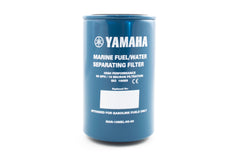
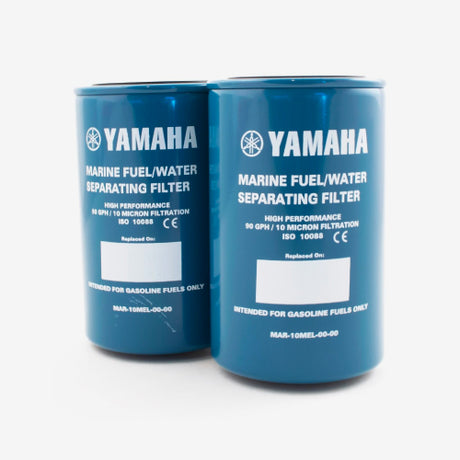
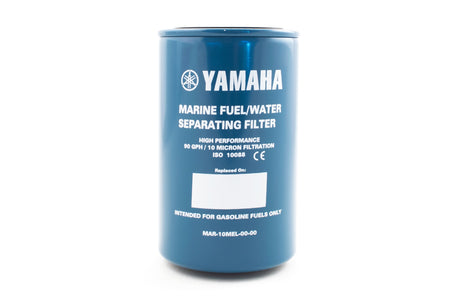
Yamaha MAR-10MEL-00-00 - Outboard 10-Micron Fuel Water Separating Filter
$22.90 USD$25.80 USDUnit price /Unavailable-
-
Yamaha
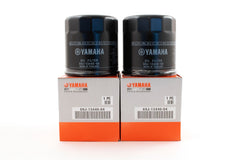
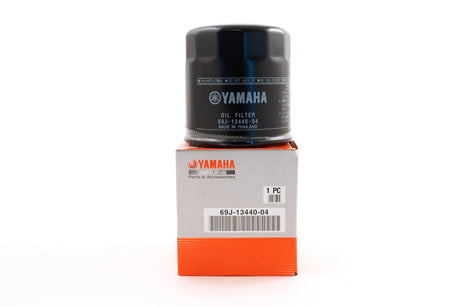
Yamaha 69J-13440-04-00 - Oil Filter - F150 F200 F225 F250 Outboard - 69J-13440-03-00
$22.17 USD$31.05 USDUnit price /Unavailable -
Yamaha
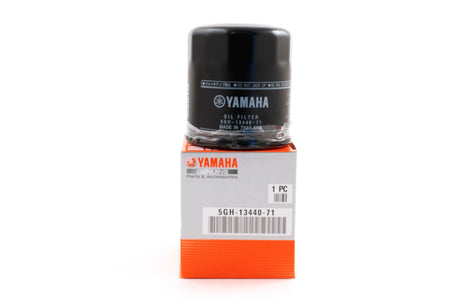
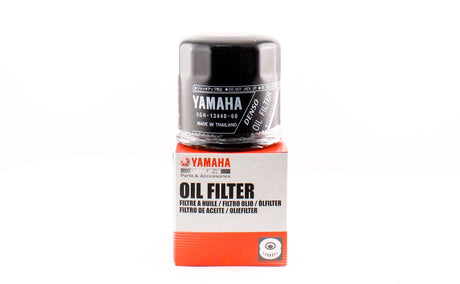
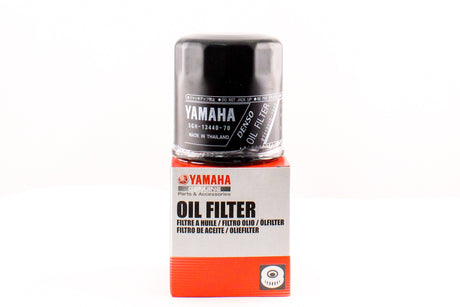
Yamaha 5GH-13440-71-00 - Oil Filter - F115 F100 F90 F75 F50 F40 F30 - 5GH-13440-70-00
$13.22 USD$16.75 USDUnit price /Unavailable -
Yamaha
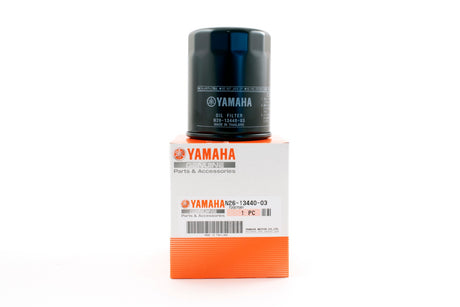
Yamaha N26-13440-03-00 - Oil Filter - F225 F250 F300 4.2L F350 V8 VF200 VF225 VF250
$24.20 USD$26.90 USDUnit price /Unavailable 
Yamaha
Yamaha 5GH-13440-80-00 - Oil Filter - F15 F25 F40 F50 F60 F70 Outboard
$12.84 USD$16.49 USDUnit price /Unavailable-
Yamaha
$22.90 USD$25.80 USDUnit price /Unavailable 
-
-
-

Yamaha
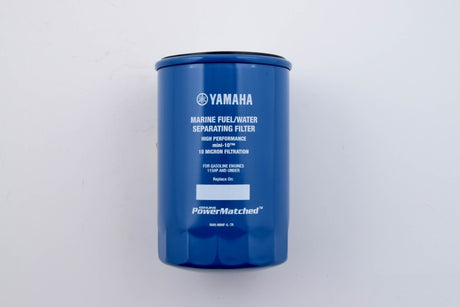
Yamaha MAR-M10EL-00-00 - Mini-10 Micron Marine Fuel/Water Separating Filter
$13.29 USD$15.05 USDUnit price /Unavailable-
Yamaha
Yamaha MAR-MINIF-IL-TR - Mini-10 Micron Marine Fuel/Water Separating Filter
$13.29 USD$15.05 USDUnit price /Unavailable 
-
Sold out
Yamaha
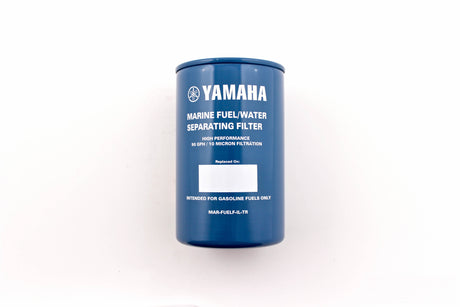
Yamaha MAR-FUELF-IL-TR - Outboard 10-Micron Fuel Water Separating Filter separator
$22.90 USD$25.80 USDUnit price /Unavailable -
Yamaha
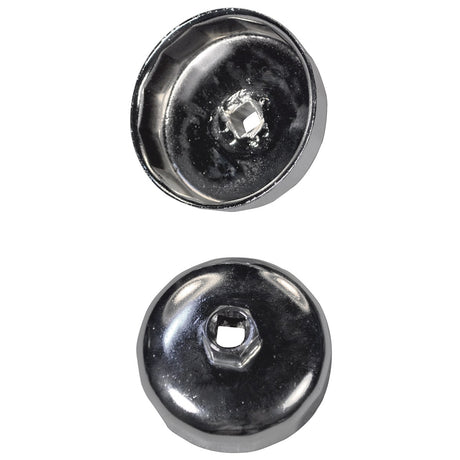
Yamaha MTS-TLSKT-02-09 - Oil Filter Wrench - Fits All 5GH Oil Filters
$23.69 USD$33.99 USDUnit price /Unavailable -
Yamaha
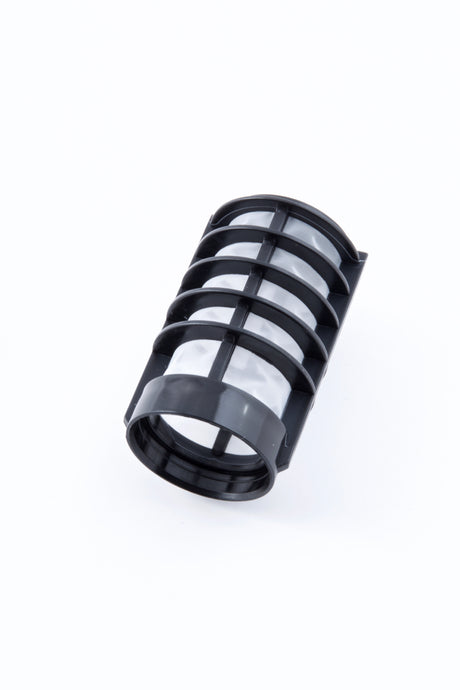
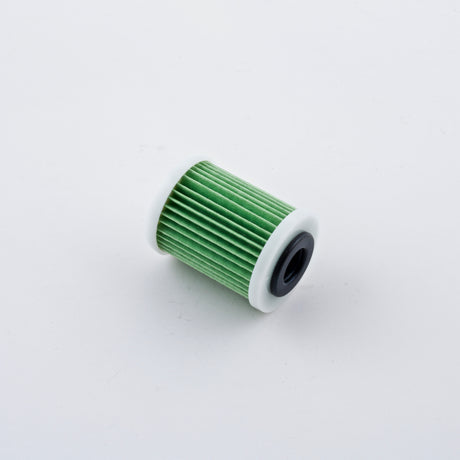
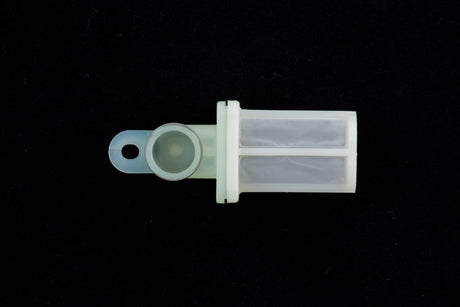
Yamaha 63P-13915-00-00 - Vapor Separator Tank (VST) Fuel Filter
$52.44 USD$58.45 USDUnit price /Unavailable -
Yamaha
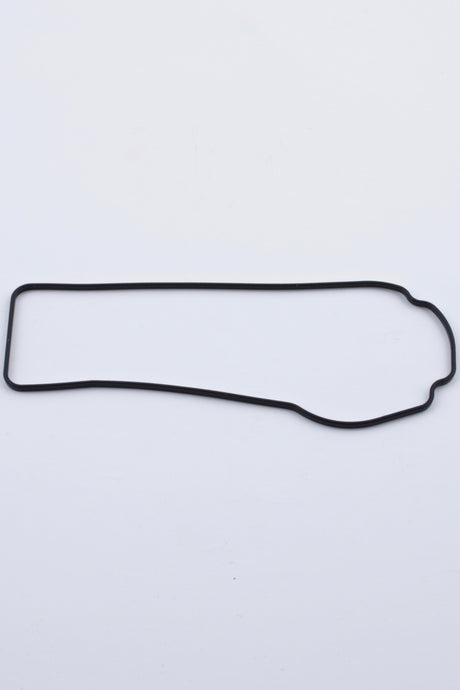
Yamaha 6P3-24564-00-00 - F150 F175 F200 F225 F250 F300 F350 Gasket
$10.18 USD$11.35 USDUnit price /Unavailable -
-
Yamaha
Yamaha 5GH-13440-61-00 - Oil Filter - F15 F25 F40 F50 F60 F70 Outboard - 5GH-13440-60-00
$12.84 USD$16.49 USDUnit price /Unavailable -
-
Yamaha
$24.20 USD$26.90 USDUnit price /Unavailable -
Yamaha
Yamaha 69J-13440-03-00 - Oil Filter - F150 F200 F225 F250 - Supersedes to 69J-13440-04-00
$22.17 USD$31.05 USDUnit price /Unavailable -
Yamaha
Yamaha YB-ACC04-1 - APRIMARY FUEL FILTER CUP WRENCH - FITS 6P3-WS24A FILTER CUPS
$52.11 USDUnit price /Unavailable -
Yamaha
Yamaha 5GH-13440-60-00 - Oil Filter - F15 F25 F40 F50 F60 F70 - Supersedes to 5GH-13440-61-00
$12.84 USD$16.49 USDUnit price /Unavailable -
-
Yamaha
Yamaha 5GH-13440-70-00 - Oil Filter - F115 F100 F90 F75 F50 F40 F30 - Supersedes to 5GH-13440-71-00
$13.22 USD$16.75 USDUnit price /Unavailable -
Yamaha
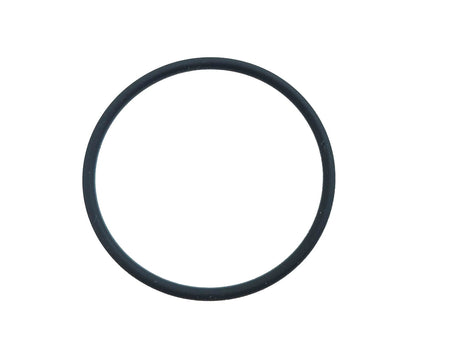
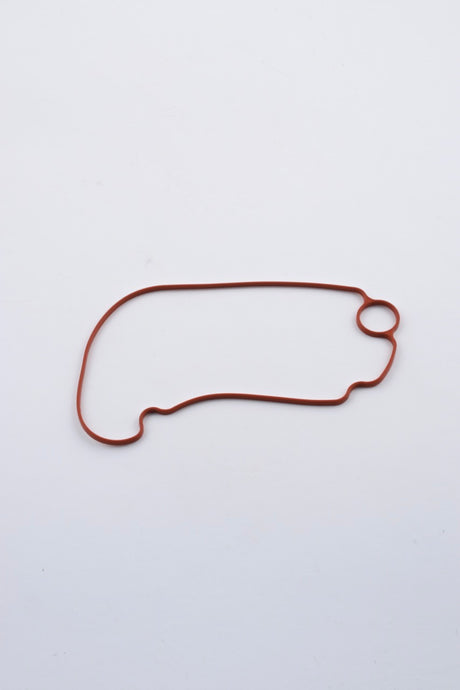
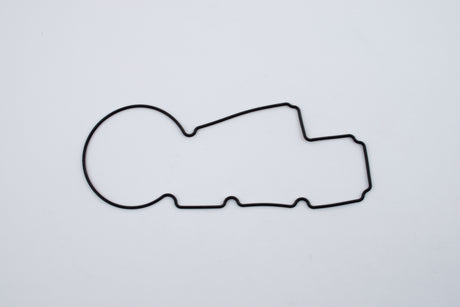
Yamaha 6CB-14984-00-00 - VST Float Chamber Gasket
$66.16 USD$73.75 USDUnit price /Unavailable 
Yamaha
Yamaha 646-24251-02-00 - Remote Oil Tank Filter
$17.26 USD$19.10 USDUnit price /Unavailable-
Yamaha
Yamaha 5GH-13440-30-00 - Oil Filter - F115 F100 F90 F75 Outboard - 5GH-13440-00-00
$13.22 USD$16.75 USDUnit price /Unavailable 
Yamaha
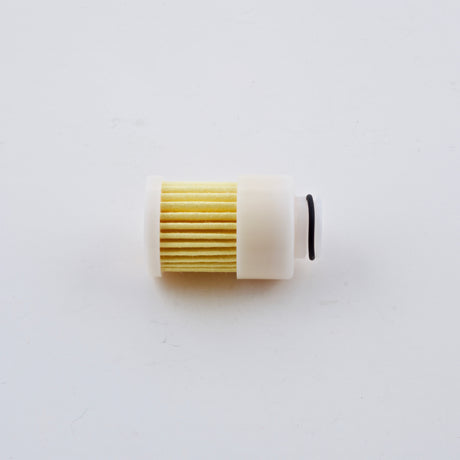
Yamaha 68V-13915-00-00 - Fuel Filter - Vapor Separator Tank (VST) - F115 F200 F225 (V6)
$42.69 USD$47.60 USDUnit price /Unavailable-
Yamaha
Yamaha 68V-14984-00-00 - VST Float Chamber Gasket
$24.05 USD$26.75 USDUnit price /Unavailable 
-
Yamaha
Yamaha 66K-14984-00-00 - VST Float Chamber Gasket
$32.57 USD$36.40 USDUnit price /Unavailable -
Yamaha
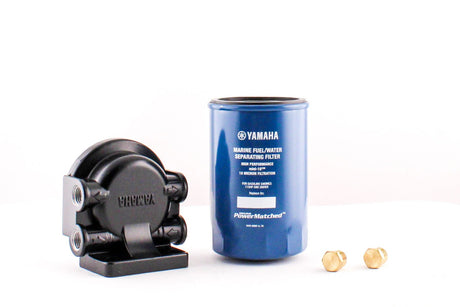
Yamaha MAR-MINIF-LT-AS - MINI 10 Fuel Water Separating Filter Assembly - With Housing
$47.31 USD$53.00 USDUnit price /Unavailable

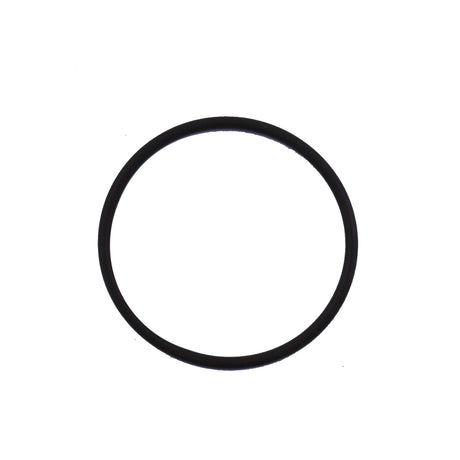
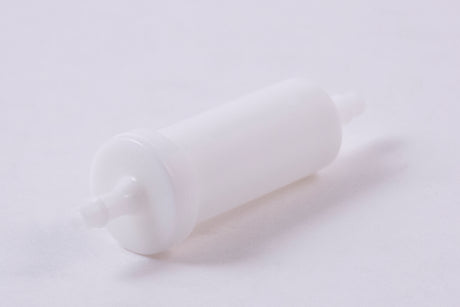
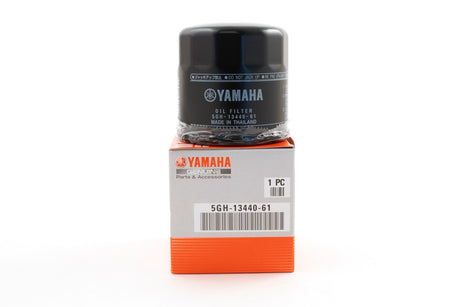
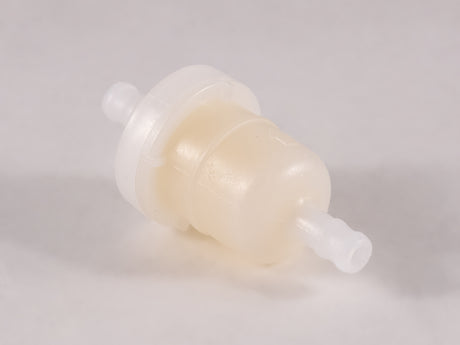
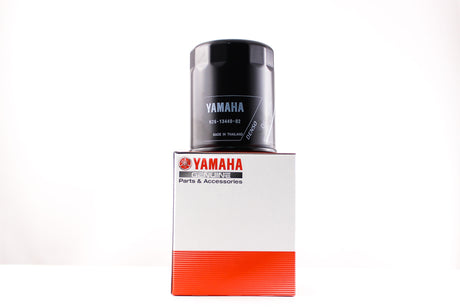
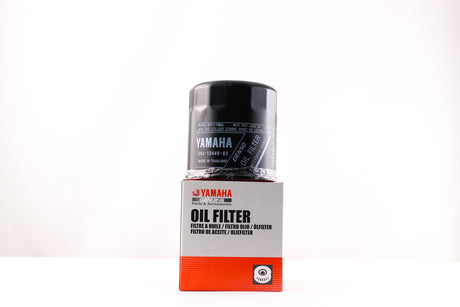
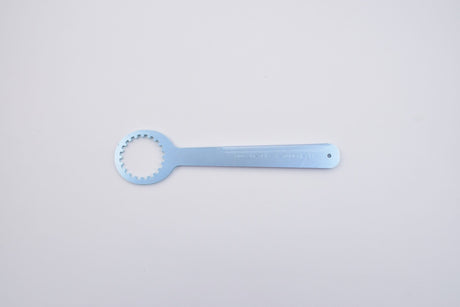
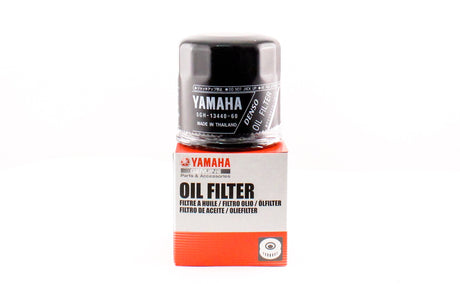
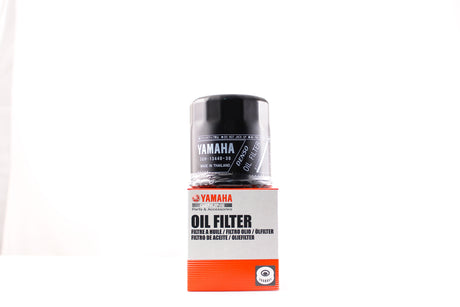
Yamaha Filters & Strainers
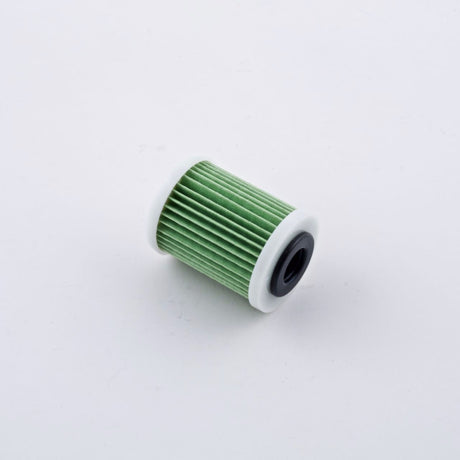
If you’re searching for an outboard fuel filter, Yamaha outboards typically use staged filtration – multiple filters working together from the fuel tank to the injectors. Replacing the right filter at the right interval helps prevent hard starts, hesitation, power loss, and expensive fuel-system repairs.
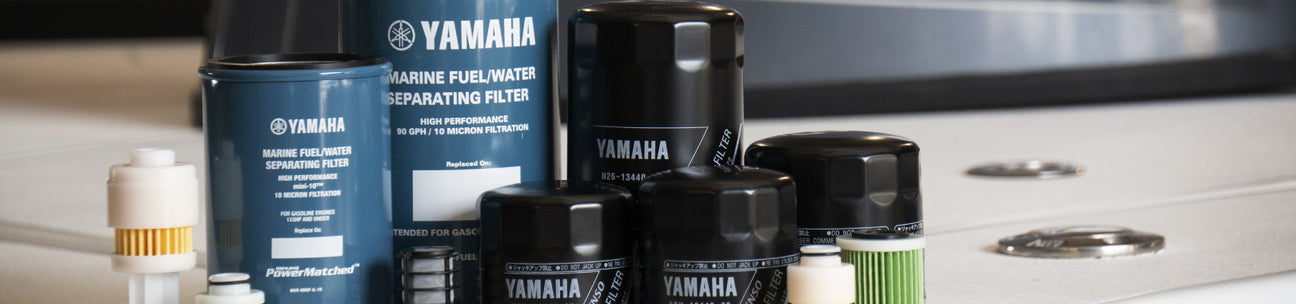
YamahaOnlineParts.com stocks a wide selection of OEM Yamaha filters and strainers for your outboard, including 10-micron fuel/water separating filters, primary fuel filters, in-line fuel filters, VST filters, oil filters, and filter wrenches.
Outboard fuel filter quick guide
| Filter type | Where it is | What it does | Service guidance |
|---|---|---|---|
| 10-micron fuel/water separating filter | In the fuel line between the tank and engine | Removes water and fine debris before fuel reaches the engine | Replace after every 50 hours of engine operation or after a bad tank of gas |
| Primary on-engine fuel filter | Typically on the front, side, or rear of the powerhead | Provides backup filtration and includes a small water trap | Replace after every 100 hours of engine operation |
| VST filter | Attached to the electric fuel pump in the Vapor Separator Tank | Filters fuel again before it is pressurized to the fuel rail | Have a dealer inspect and/or replace after every 300 hours when upstream filters are maintained properly |
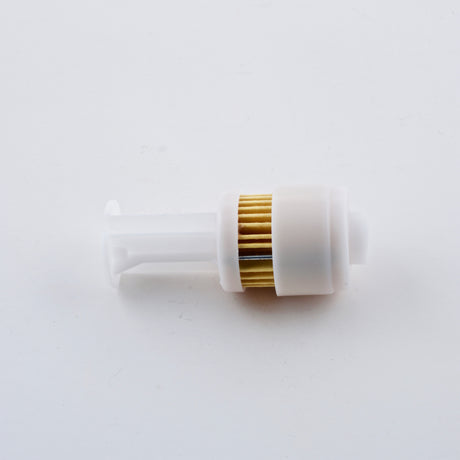
| In-line fuel filter | On some models, between the primary fuel pump and VST and/or between the VST and the fuel rail | Catches debris before fuel reaches the high-pressure side | Location and service interval vary by model; check the owner’s or service manual |
Pro tip: Do not remove a used 10-micron separator, dump the fuel out, and reinstall it. That can move trapped debris and water to the clean side of the filter and back into the fuel system.
Shop by filter category
- Yamaha Primary Fuel Filters
- Yamaha Fuel/Water Separating Filters & Wrenches
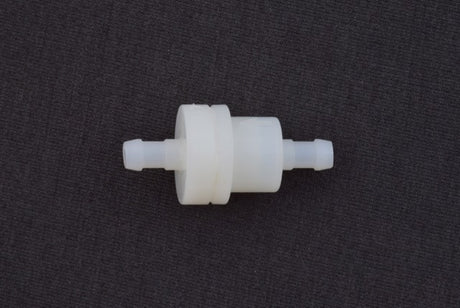
- Yamaha In-Line Fuel Filters
- Yamaha VST Fuel Filters & Gaskets
- Yamaha Oil Filters & Wrenches
Need more parts while you’re servicing the fuel system? Browse OEM Yamaha outboard parts and related fuel & oil system components for your specific engine.
How Yamaha outboard fuel filtration works
Think of Yamaha fuel filtration like checkpoints:
- 10-micron separator: first line of defense against water and contamination in the fuel supply
- Primary on-engine filter: catches what gets past the separator and gives you a visible water trap on many models
- VST filter: protects the high-pressure fuel side before fuel reaches the injectors
- In-line filters: model-specific backup filters placed within the fuel path on certain engines
This staged approach is why Yamaha outboards may use several different fuel filters instead of just one.
What the red ring means in a Yamaha primary filter
Some Yamaha primary on-engine filters have a red ring inside the clear filter cup. Leave it in place. If the red ring is floating, there is water in the trap, and it is time to replace the 10-micron separator and inspect the rest of the fuel system.
Signs of a clogged outboard fuel filter
Fuel restriction often shows up as:
- Hard starting after the boat has been sitting
- Hesitation or bogging under load
- Loss of power at higher RPM
- Rough running or stalling when fuel demand increases
If your filters keep clogging quickly, the bigger issue is usually contaminated fuel, debris in the tank, deteriorating fuel lines, or another upstream problem – not just the filter itself.
DIY replacement tips
Replacing a 10-micron separator
- Apply a thin film of clean engine oil to the new gasket before installing the filter
- Prefilling the new filter about three-quarters full with fresh, stabilized fuel can make priming easier
- Replace the filter instead of trying to drain and reuse it
Replacing the primary on-engine filter
- If you see water in the trap, replace the 10-micron separator too
- Do not remove the red ring if your filter has one
- Check for leaks and confirm normal priming after service
VST filter note
- Because the VST filter is deeper in the fuel system, many owners leave this service to a Yamaha dealer
- Its life depends heavily on keeping the upstream filters serviced on time
Common Yamaha outboard fuel-system issues
- Water-contaminated or stale fuel
- Cracked or deteriorated fuel hoses
- Restricted filters causing fuel starvation
- Weak or failing fuel pumps
When fuel-system problems are ignored, the result can be poor performance, loss of power, or no-start conditions. Replacing filters at the recommended intervals is one of the easiest ways to stay ahead of those issues.
Helpful resources
- Guide to Yamaha Outboard Fuel Filters
- Yamaha Ring Free Plus – Is It Essential?
- Will DIY Maintenance and Repairs Void Your Yamaha Outboard Warranty?
Yamaha Outboard Filters and Strainers FAQs
How often should I replace a Yamaha 10-micron fuel/water separator?
Replace it after every 50 hours of engine operation or after a bad tank of gas. It is a simple service item, but it plays a major role in protecting the rest of the fuel system.
How often should I replace the primary on-engine fuel filter?
Yamaha’s baseline guidance is every 100 hours of engine operation. If there is water in the trap, inspect the system and replace the 10-micron separator too.
What is a Yamaha 10-micron fuel/water separating filter?
It is the spin-on filter installed between the fuel tank and engine. Its job is to separate water from the fuel and capture fine debris before contamination reaches the outboard.
What is a Yamaha VST filter?
The VST filter is attached to the electric fuel pump inside the Vapor Separator Tank. It screens fuel again just before it is pressurized into the fuel injection rail.
What is the difference between a primary filter and an in-line filter?
The primary on-engine filter is the visible filter on the powerhead with a water trap on many models. An in-line filter is a smaller model-specific filter located somewhere in the fuel path, often between the primary pump and the VST or between the VST and the fuel rail.
What does the red ring in a Yamaha primary filter mean?
If the red ring is floating, there is water in the filter’s trap. Do not remove the ring.
Why are there so many Yamaha outboard fuel filters?
Because different filter stages do different jobs. Yamaha uses staged filtration so water and larger debris can be caught early, while finer contamination is stopped before it reaches injectors and other sensitive fuel-system components.
What are signs of a clogged outboard fuel filter?
Common signs include hard starting, bogging under load, loss of top-end power, rough running, and stalling when the engine needs more fuel.